
Top 5 Renewable Energy Sources by Global Installed Capacity
Renewable energy comes from natural resources that are continuously replenished, including sunlight, wind, flowing water, and underground heat.

The Best List Journal
Author & Contributor
Top 5 Renewable Energy Sources by Global Installed Capacity
Renewable energy comes from natural resources that are continuously replenished, including sunlight, wind, flowing water, and underground heat. These sources are becoming increasingly important as countries look for alternatives to coal, oil, and natural gas. However, not all renewable technologies have developed at the same pace. Solar, hydropower, and wind currently account for most of the world's installed renewable electricity capacity.
According to IRENA data for 2025, global renewable power capacity reached approximately 5,149 GW. Solar power was the largest category, followed by hydropower and wind. The figures below are rounded estimates of installed capacity.
1. Solar Energy
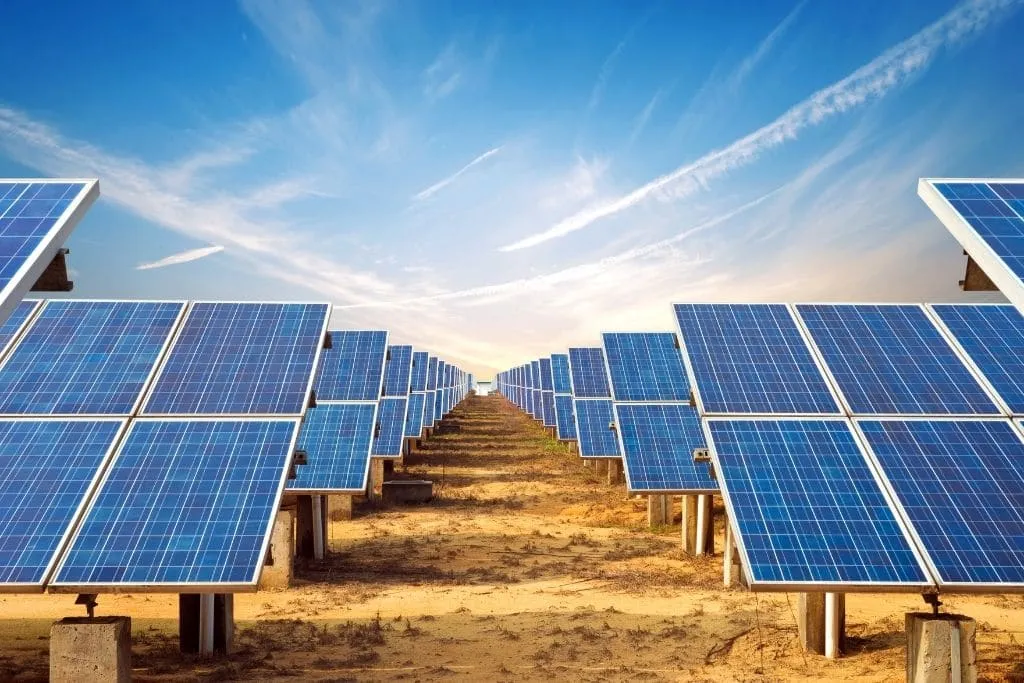
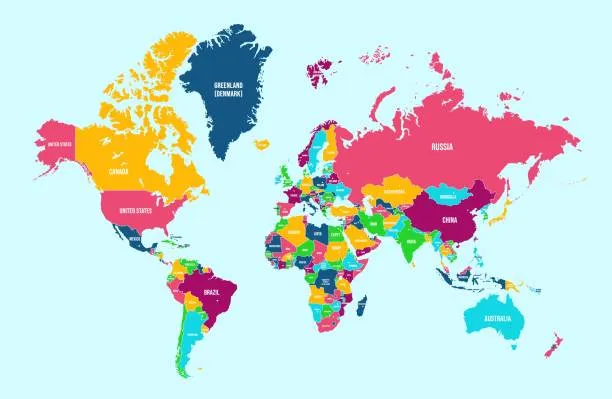
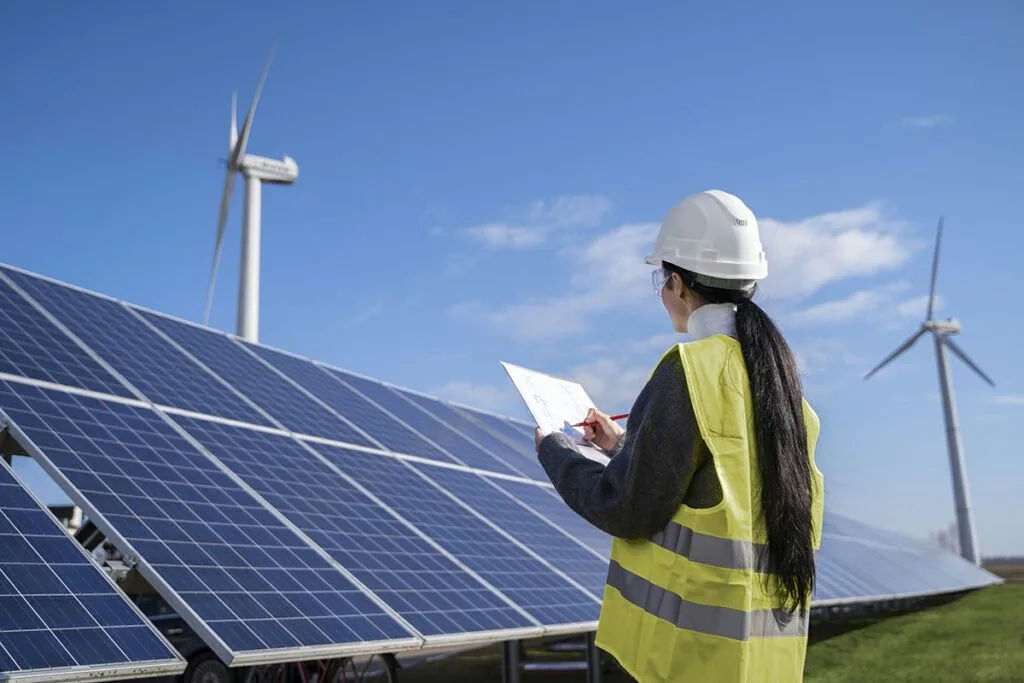
Solar energy is the world's largest renewable electricity source by installed capacity. Photovoltaic panels convert sunlight directly into electricity, making the technology suitable for everything from small rooftop systems to enormous solar parks. Its rapid expansion has been supported by falling equipment costs, improved panel efficiency, and government incentives. China, the United States, and India are among the largest solar markets. In 2025, solar accounted for approximately 511 GW of new renewable capacity additions worldwide, making it the leading contributor to annual growth.
2. Hydropower
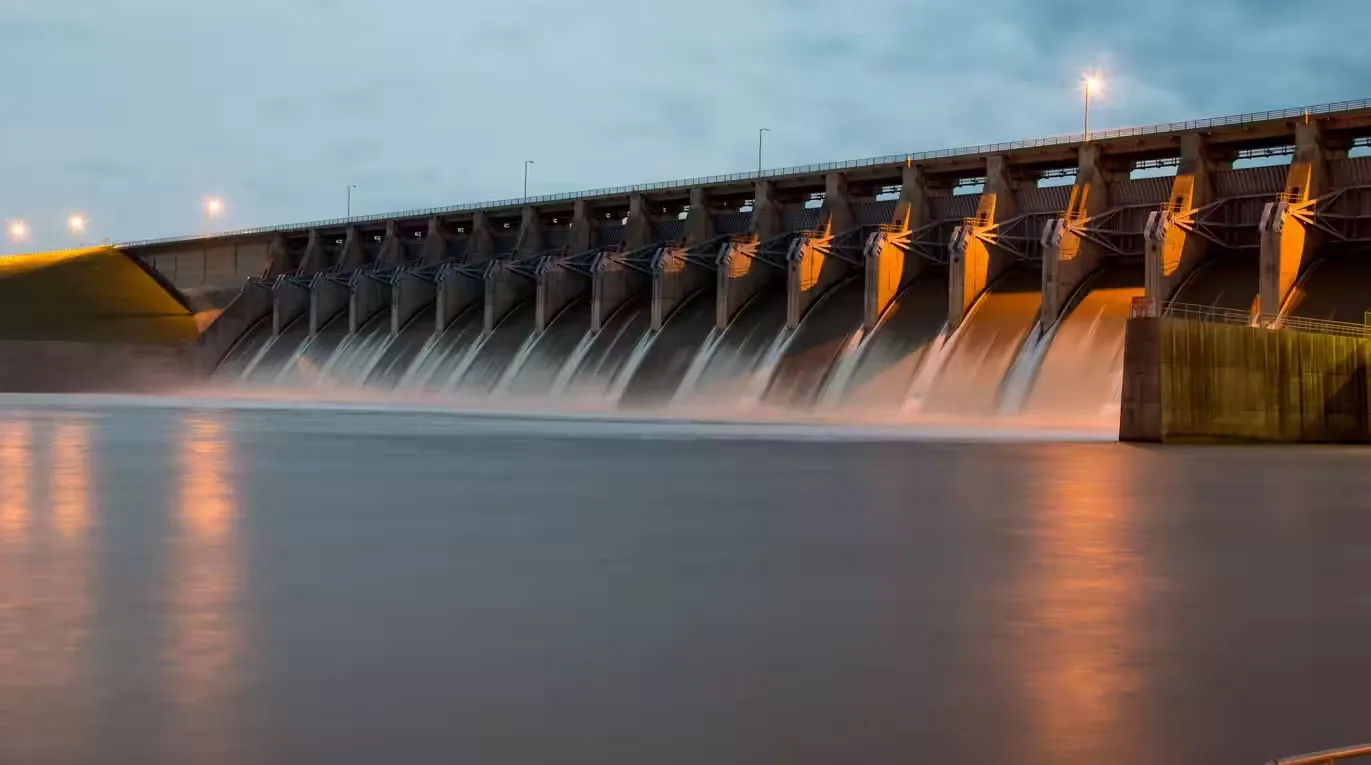
Hydropower generates electricity by using moving or falling water to operate turbines. Large dams and reservoir-based power stations can produce electricity consistently, while smaller projects may supply local communities. Hydropower also offers flexibility because some reservoirs can store water and release it when electricity demand increases. China, Brazil, Canada, and the United States have extensive hydropower infrastructure. The global figure includes pumped-storage capacity, which is useful for balancing electricity supply but is not counted as renewable generation in IRENA's standard renewable-capacity total.
3. Wind Energy
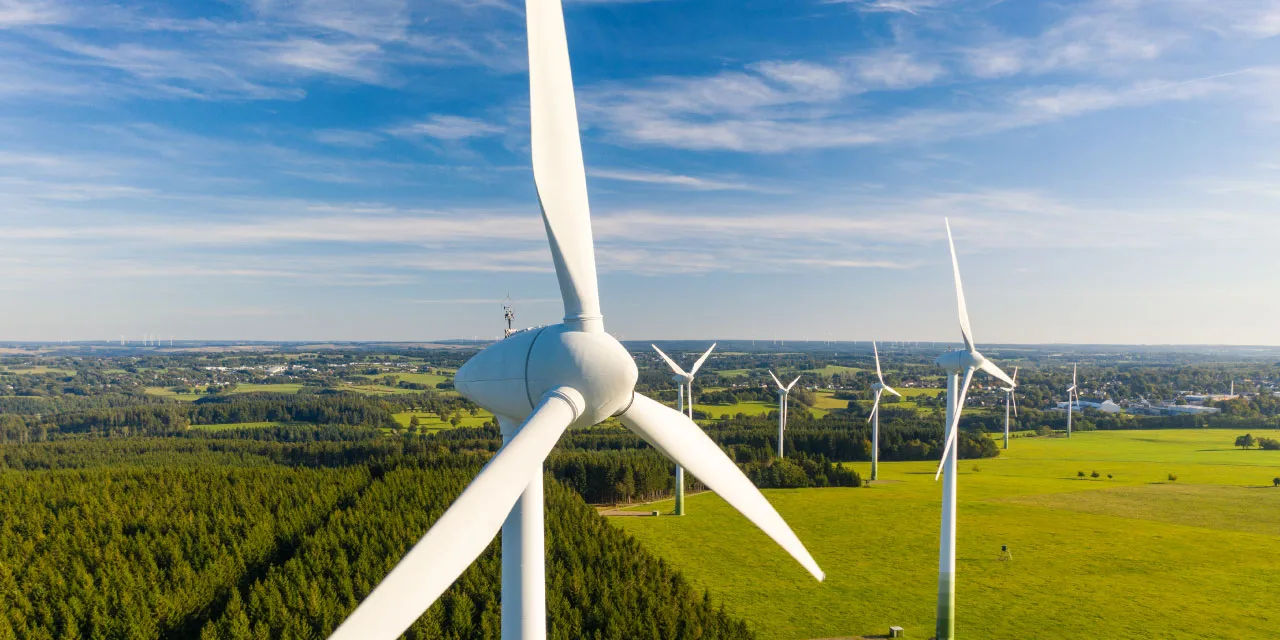
Wind power uses turbines to convert the movement of air into electricity. Onshore wind farms are generally built across open plains, hills, and coastal regions, while offshore turbines operate in suitable sea locations. Wind energy has expanded significantly because modern turbines can generate more electricity than earlier designs. China, the United States, Germany, and India are important markets. Global wind capacity increased by approximately 159 GW during 2025, reflecting continued investment in both onshore and offshore projects.
4. Bioenergy
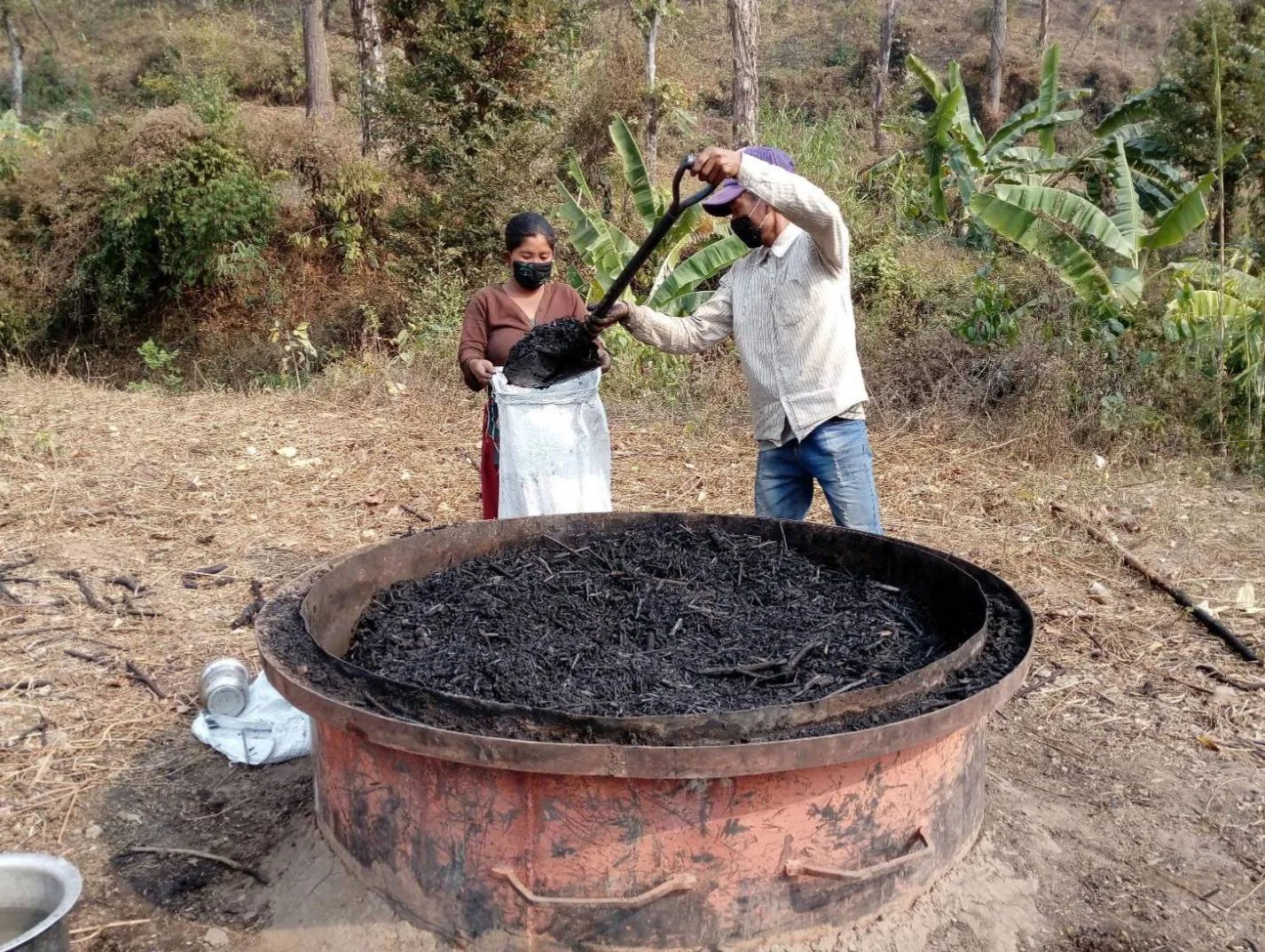
Bioenergy produces electricity and heat from organic materials such as agricultural waste, wood residues, and certain types of organic waste. It can help make use of materials that might otherwise be discarded, while providing a controllable source of energy. However, its environmental benefits depend on how the raw materials are produced, transported, and managed. Unsustainable harvesting or land-use changes can reduce its climate advantages. Countries including China, Brazil, Japan, and Germany use different forms of bioenergy in their electricity systems.
5. Geothermal Energy
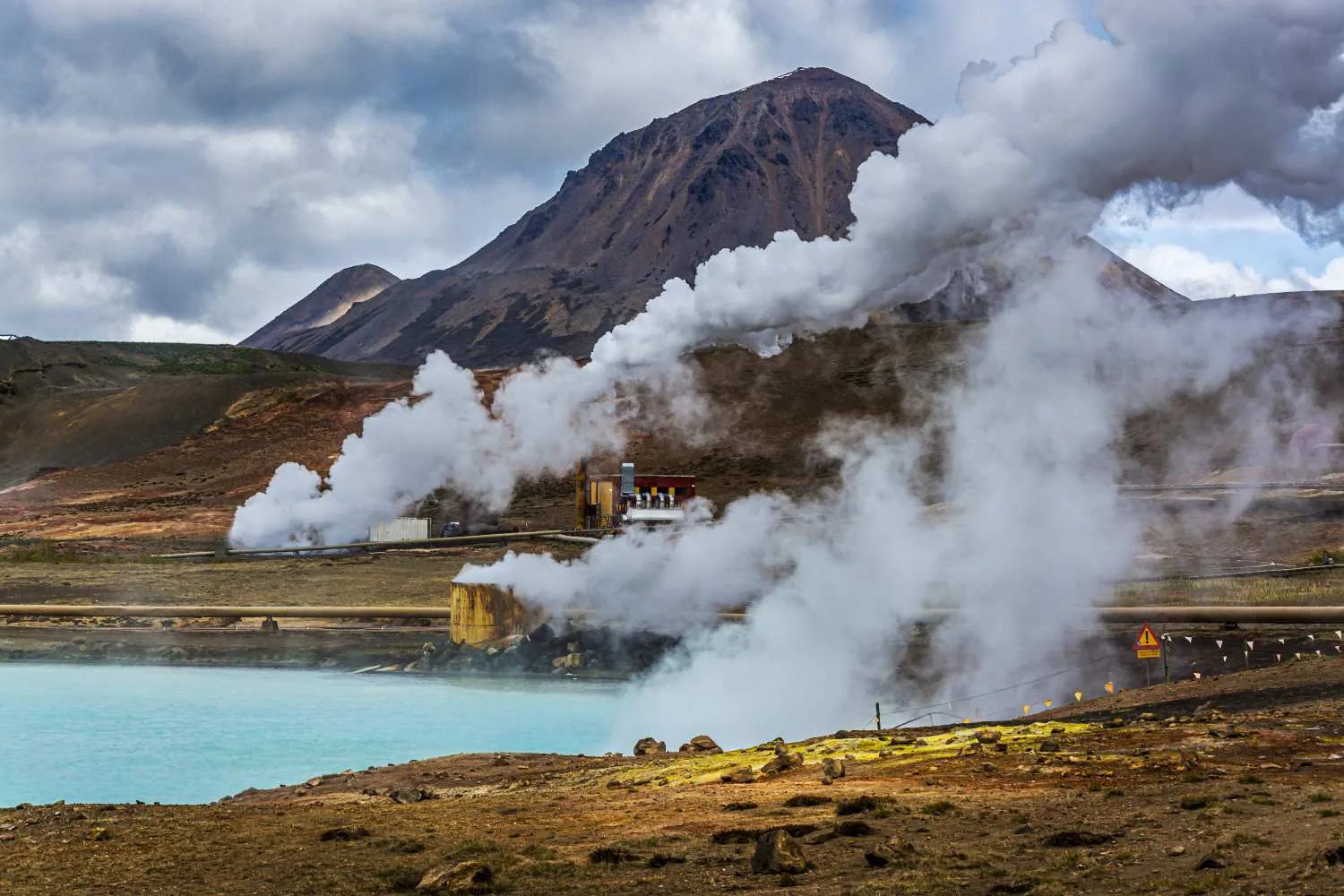
Geothermal energy uses heat from beneath Earth's surface to generate electricity. Power stations typically operate in regions with accessible underground heat, including volcanic and tectonically active areas. Unlike solar and wind, geothermal plants can often provide electricity continuously, regardless of weather conditions. Iceland, the United States, Indonesia, the Philippines, and Türkiye are among the countries with established geothermal industries. Although its global installed capacity remains much smaller than solar or wind, geothermal energy offers valuable potential for reliable low-carbon electricity.
Conclusion
Solar, hydropower, wind, bioenergy, and geothermal energy all contribute to the global renewable electricity transition. Solar currently leads in installed capacity, while hydropower provides substantial established infrastructure and wind continues to expand rapidly. A balanced energy system can combine these technologies with storage, reliable electricity networks, and responsible resource management.