
Top 5 Countries Leading the Global Renewable Energy Transition
The following countries ranked among the leaders in total installed renewable capacity.

The Best List Journal
Author & Contributor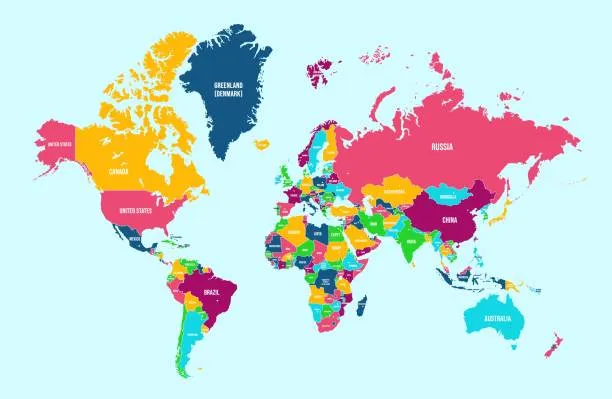
Top 5 Countries Leading the Global Renewable Energy Transition
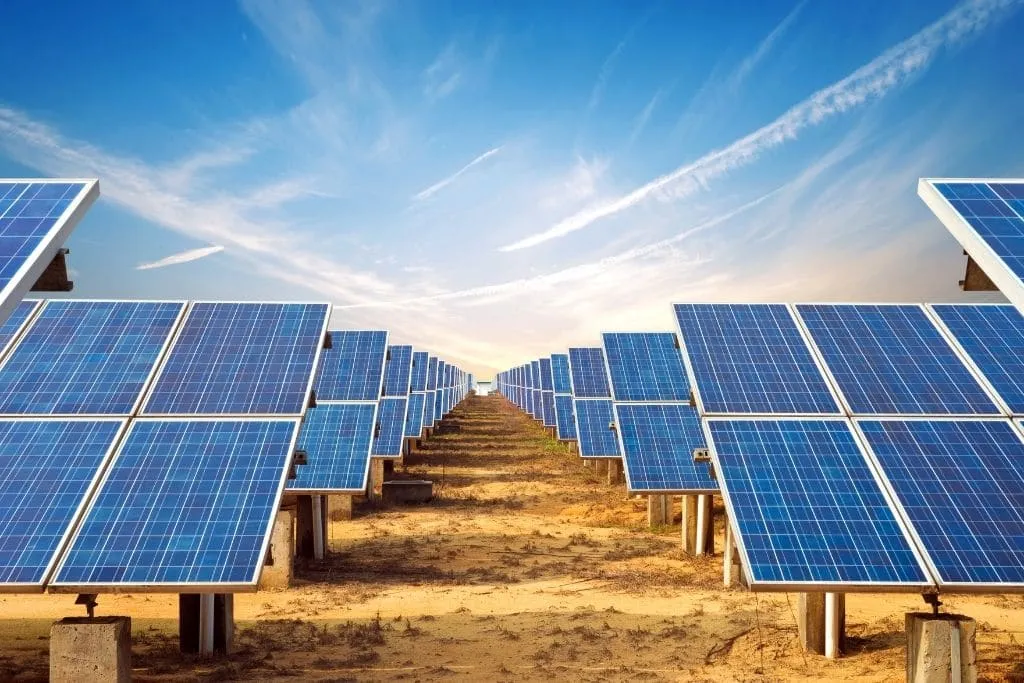
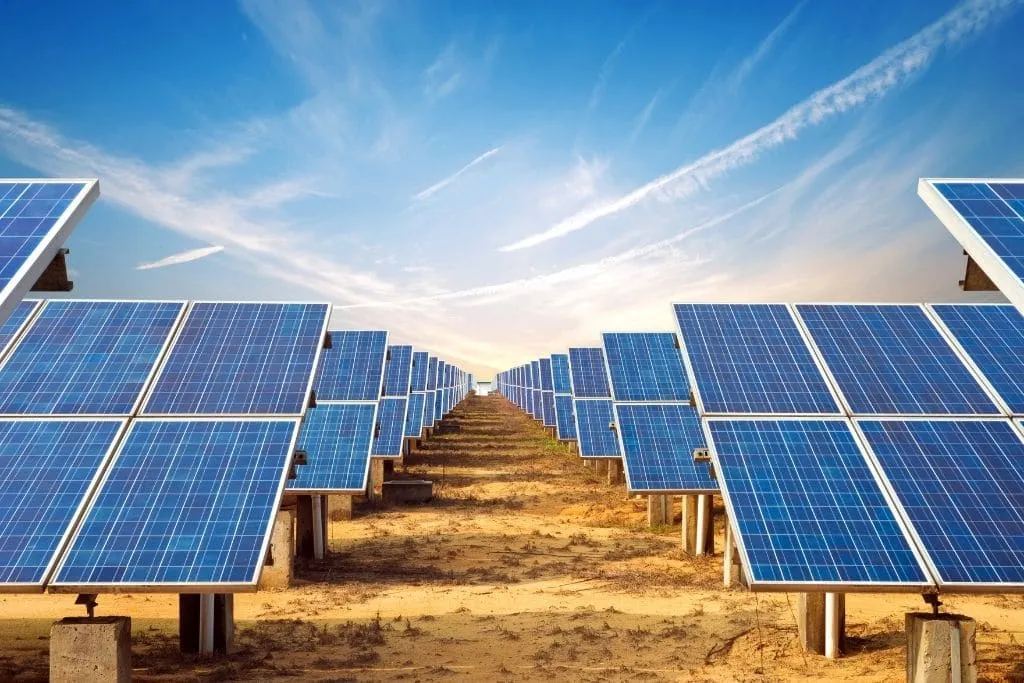
The global shift towards renewable energy has become an important part of efforts to reduce carbon emissions, improve energy security, and build more sustainable economies. Governments are investing in solar farms, wind turbines, hydropower projects, and modern electricity networks to reduce dependence on fossil fuels. However, the transition is progressing at different speeds across the world. Some countries lead because of their enormous renewable energy infrastructure, while others stand out through rapid investment and supportive policies.
According to the International Renewable Energy Agency (IRENA), global renewable power capacity reached approximately 5,149 GW by the end of 2025. The following countries ranked among the leaders in total installed renewable capacity.
1. China
China is the world's largest renewable energy market by a substantial margin. Its total renewable power capacity reached approximately 2,258 GW in 2025, supported by large-scale solar parks, wind farms, and hydropower stations. The country has invested heavily in domestic manufacturing, particularly solar panels and wind turbines. China also added approximately 511 GW of renewable capacity worldwide through its own installations during 2025, with solar accounting for most of the expansion.

2. United States
The United States ranks second, with approximately 468 GW of installed renewable power capacity in 2025. Solar and wind energy have expanded across states such as Texas, California, and Iowa. Large renewable projects benefit from the country's varied geography, extensive land availability, and growing electricity demand. Federal incentives, state-level renewable targets, and private-sector investment have also supported clean energy development.

3. India
India has become one of the fastest-growing renewable energy markets. Its installed renewable capacity reached approximately 251 GW in 2025, placing it third globally. Solar energy has been a major driver, supported by large solar parks, rooftop installations, and programmes encouraging clean electricity adoption. India's geographic conditions offer considerable solar potential, while wind resources support additional development in several coastal and inland regions.

4. Brazil
Brazil's renewable energy sector benefits from its extensive river systems and favourable natural conditions. Hydropower has traditionally supplied a large share of the country's electricity, while wind and solar installations have become increasingly important. Its total renewable capacity reached approximately 228 GW in 2025. Brazil's experience demonstrates how a country can combine established hydropower infrastructure with newer renewable technologies.

5. Germany
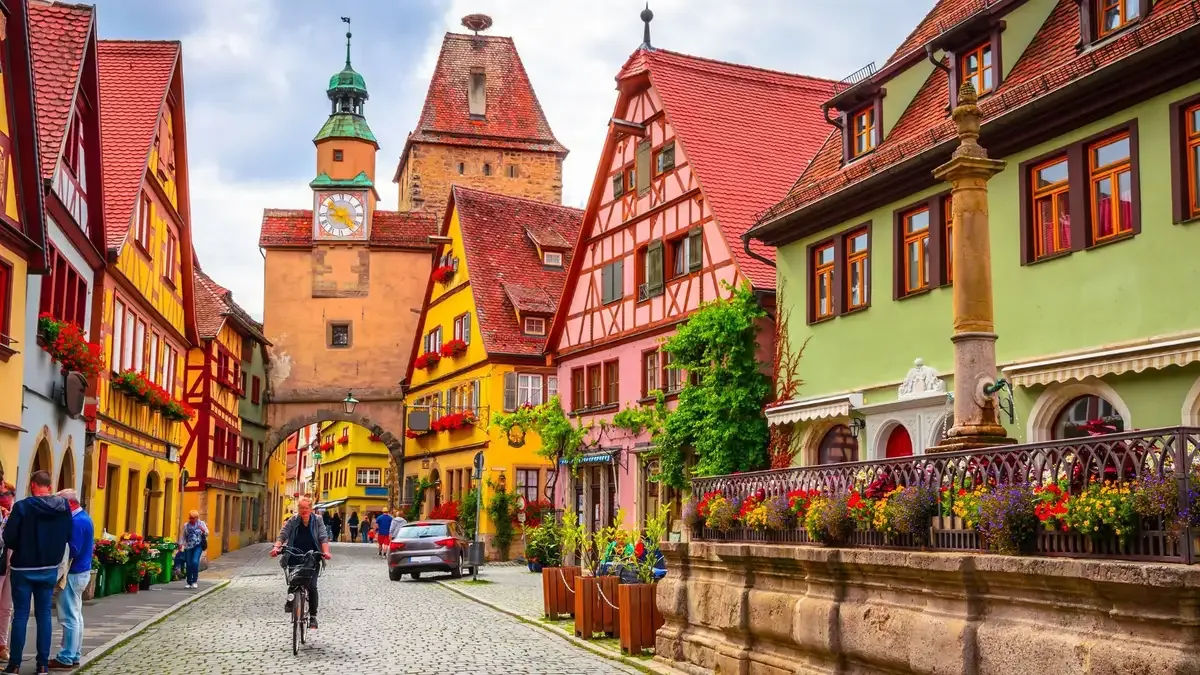
Germany remains a major renewable energy leader despite having a smaller land area than the countries above it. Its renewable capacity reached approximately 200 GW in 2025. Solar panels on homes and commercial buildings, alongside large wind installations, play important roles in its energy system. Germany's energy transition, commonly known as the Energiewende, has encouraged investment in renewable electricity, grid modernisation, and energy efficiency.
Conclusion
China, the United States, India, Brazil, and Germany demonstrate different approaches to expanding renewable energy. Their progress highlights the importance of investment, technology, natural resources, and long-term planning. As electricity demand continues to grow, these countries will remain important examples of how renewable infrastructure can reshape national energy systems.