
Top 5 Countries With the Largest Solar Power Capacity
Countries with strong manufacturing industries and supportive energy policies have expanded their solar capacity particularly quickly.

The Best List Journal
Author & Contributor
Top 5 Countries With the Largest Solar Power Capacity
Solar power has become one of the fastest-growing sources of electricity worldwide. Improvements in photovoltaic technology, falling equipment costs, and government incentives have made solar installations increasingly attractive to households, businesses, and utility companies. Countries with strong manufacturing industries and supportive energy policies have expanded their solar capacity particularly quickly.
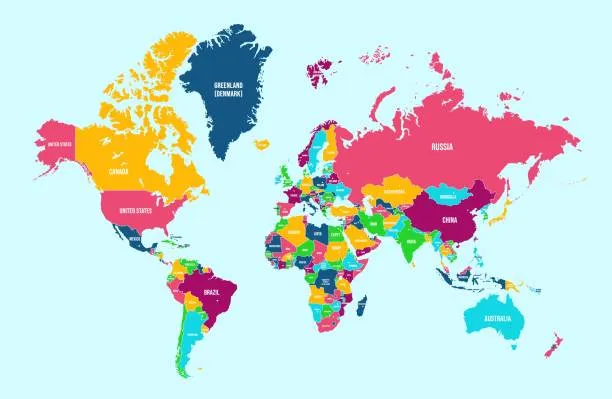
By the end of 2025, global installed solar capacity had reached approximately 2,397 GW, according to data compiled from the International Renewable Energy Agency (IRENA). The following ranking uses total installed solar capacity, including grid-connected and off-grid installations where reported.
1. China
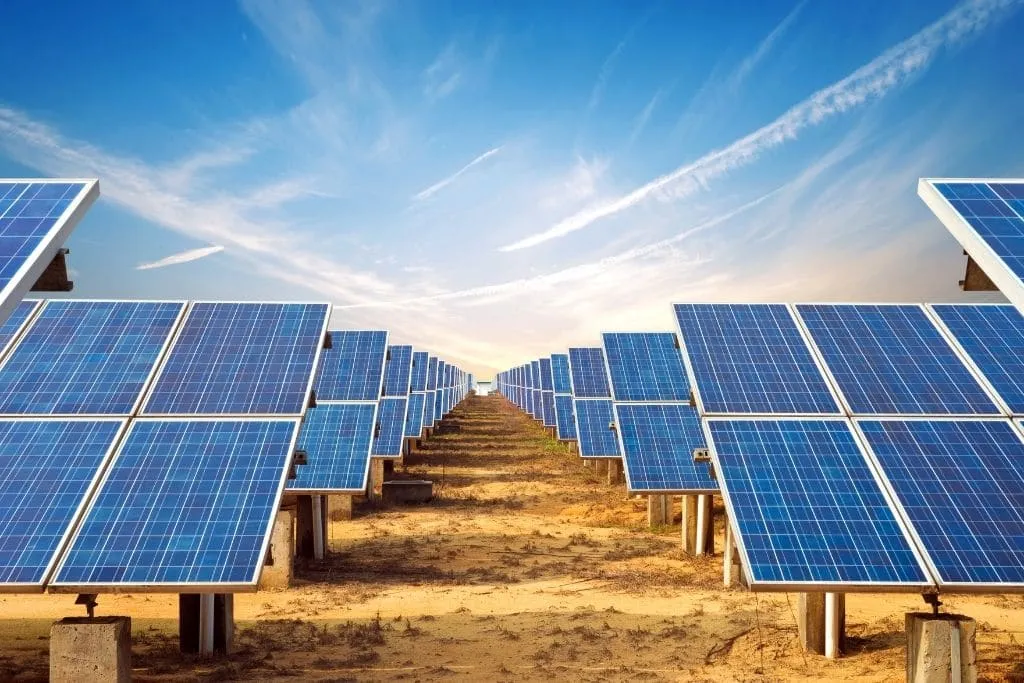
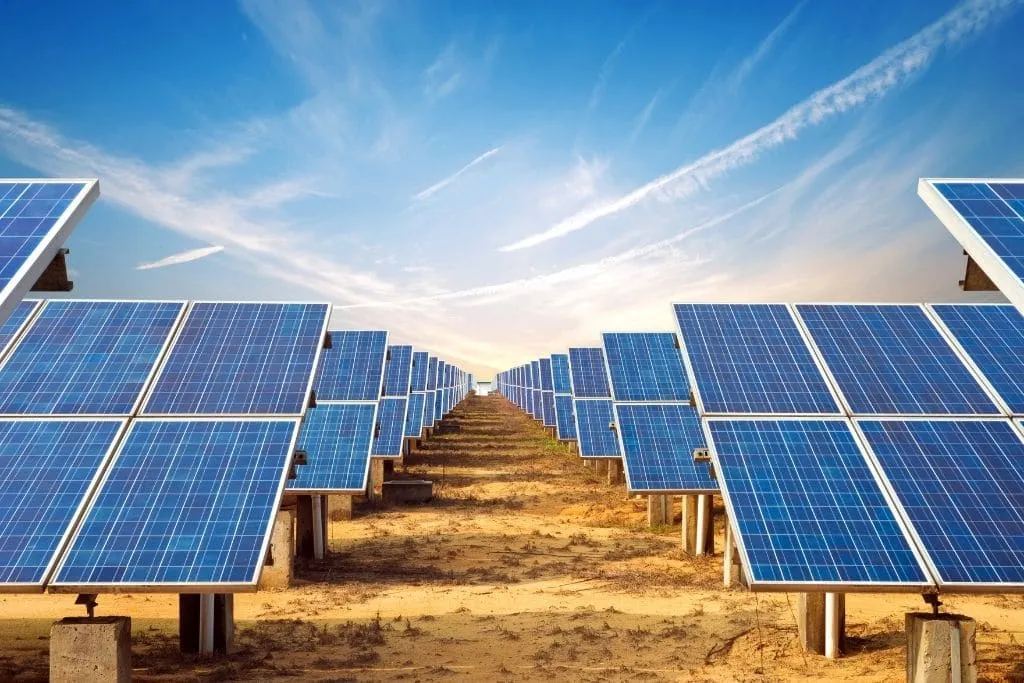
China is the clear global leader in solar power capacity, with approximately 1,202 GW installed by the end of 2025. Its enormous solar industry includes utility-scale projects in western regions, rooftop installations in cities, and extensive domestic panel manufacturing. China added solar capacity at a remarkable pace during 2025, supported by large investments and strong demand for electricity. Its position in the solar supply chain also makes it influential in the global market for photovoltaic equipment.

2. United States
The United States ranks second, with approximately 211 GW of installed solar capacity in 2025. California, Texas, Florida, and other states have become important markets for solar development. Large solar farms supply electricity to regional grids, while rooftop panels allow homeowners and businesses to generate some of their own power. Federal tax incentives, state policies, and corporate clean-energy commitments have helped encourage investment in the sector.

3. India
India has approximately 136 GW of installed solar capacity, placing it third in the world in 2025. The country's solar expansion is supported by abundant sunlight, large-scale solar parks, rooftop programmes, and growing interest in distributed electricity generation. Projects in Rajasthan and Gujarat demonstrate the potential of India's open landscapes for utility-scale solar development. Solar power is also important for improving electricity access and reducing dependence on imported fossil fuels.

4. Germany
Germany has approximately 107 GW of installed solar capacity. Despite its relatively modest sunshine levels compared with tropical countries, it has developed a substantial solar industry through consistent policy support and widespread rooftop adoption. Residential systems, commercial installations, and large solar parks all contribute to its capacity. Germany's experience shows that effective planning, grid connections, and public participation can support solar power even in less sunny climates.

5. Japan
Japan ranks fifth, with approximately 92 GW of installed solar capacity in 2025. Limited land availability has encouraged the use of rooftops, industrial sites, and carefully selected ground-mounted projects. Solar energy plays an important role in Japan's efforts to diversify its electricity supply following changes in its energy policy after the 2011 Fukushima nuclear accident. The country has also explored innovative approaches, including floating solar installations and the use of solar panels on buildings.

Conclusion
The solar capacity rankings show how different countries are adopting the technology according to their resources, economic priorities, and energy policies. China leads by a wide margin, while the United States, India, Germany, and Japan demonstrate the growing importance of solar power across different regions. Continued improvements in storage and electricity networks will be essential to making solar energy even more useful.