
OB-GYN 2026: Essential Clinical Insights for Doctors
A practical 2026 guide for doctors: 15 essential OB-GYN questions on high-risk pregnancy, infertility, AI, fetal medicine, menopause and cervical screening.

khushboo sharama
Author & Contributor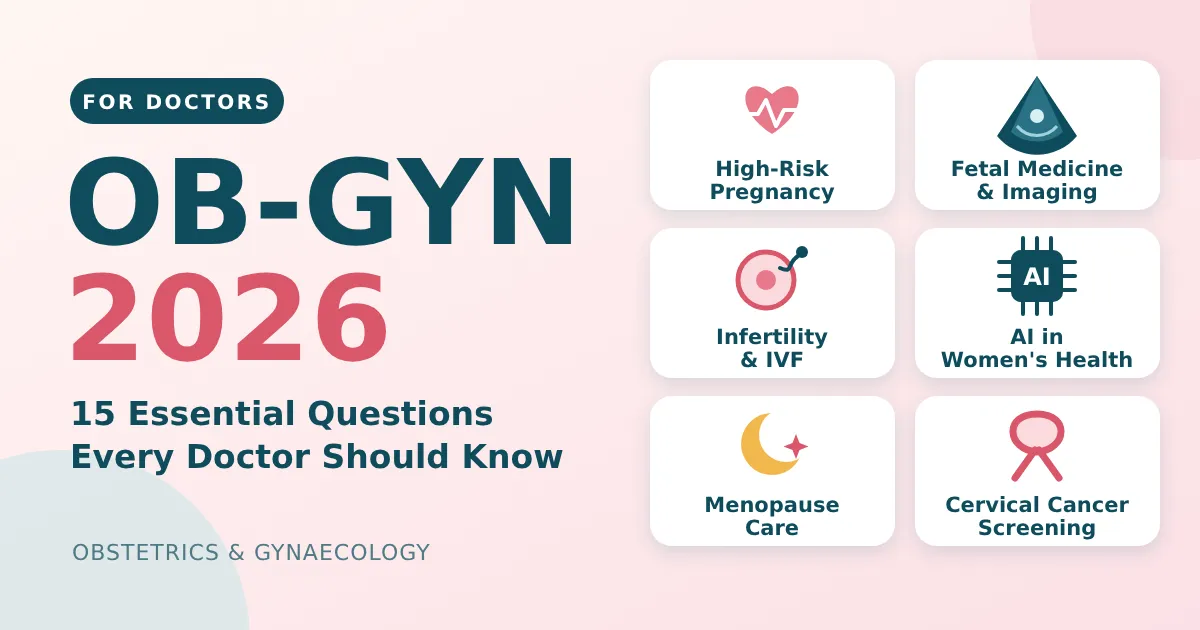
Obstetrics and Gynaecology in 2026: 15 Important Questions Every Doctor Should Know
Introduction
How should doctors assess high-risk pregnancies? What are the latest developments in infertility treatment? How are AI, fetal medicine and advanced diagnostic technologies changing women's healthcare?
Obstetrics and Gynaecology (OB-GYN) is an evolving medical speciality covering pregnancy, childbirth, fertility and female reproductive health. Doctors need updated clinical knowledge to recognise complications, understand diagnostic approaches and follow advances in patient care.
This guide covers 15 important OB-GYN questions, including essential clinical conditions, modern treatments and emerging medical developments in 2026.
1. What Are the Major Areas of Obstetrics and Gynaecology?
Important areas include:
Antenatal and postpartum care
High-risk pregnancy management
Labour and delivery
Obstetric emergencies
PCOS and endometriosis
Infertility and reproductive medicine
Menopause management
Gynaecological oncology
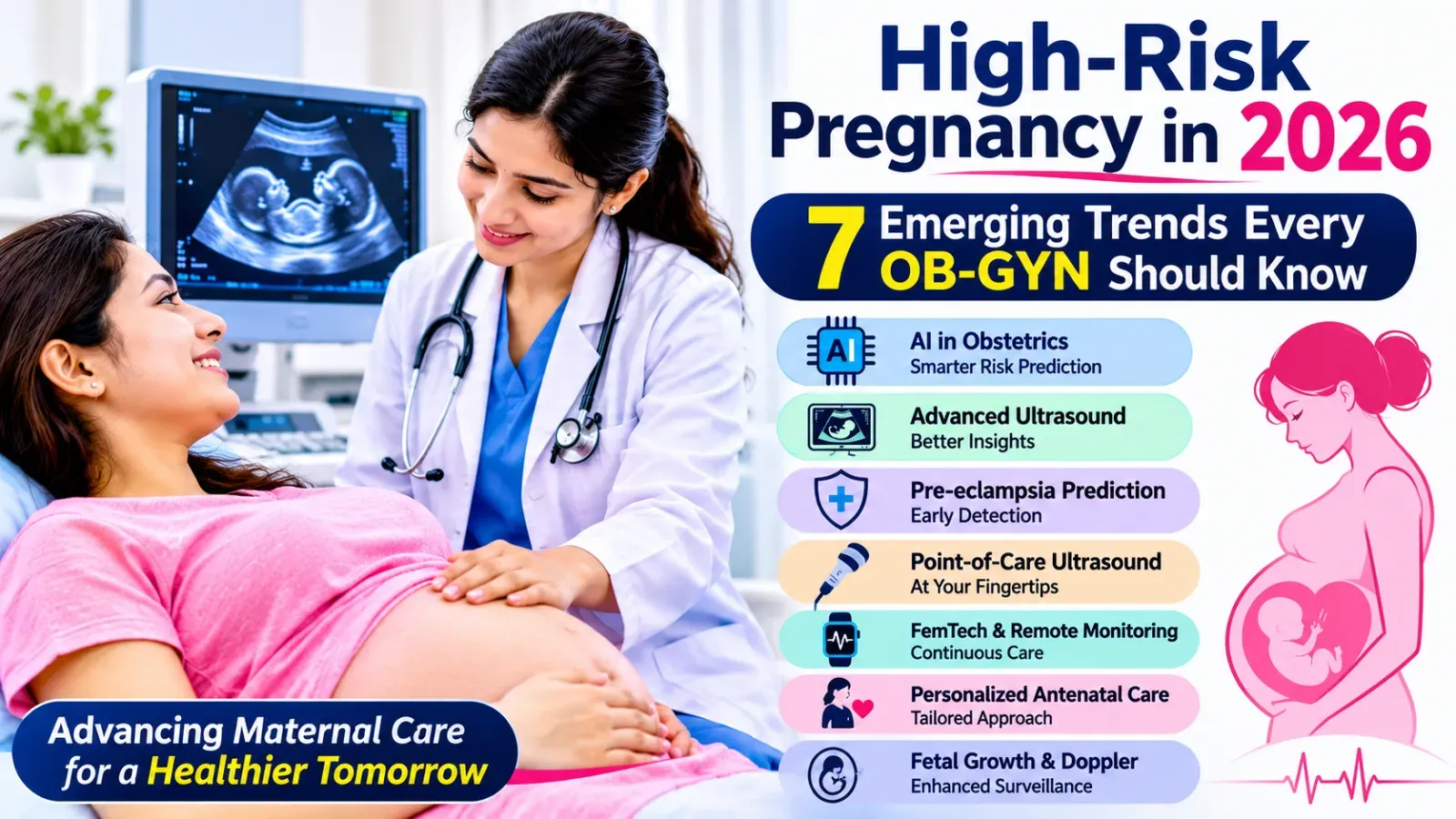
2. What Are the Common Complications of High-Risk Pregnancy?
Doctors should understand important pregnancy complications such as:
Preeclampsia and eclampsia
Gestational diabetes
Placenta previa
Placental abruption
Fetal growth restriction
Preterm labour
Multiple pregnancy
Early identification, appropriate monitoring and timely referral are essential.
3. Which Investigations Are Important During Pregnancy?
InvestigationClinical purposeObstetric ultrasoundFetal growth and pregnancy assessmentDoppler studiesMaternal and fetal blood flowCTGFetal heart rate monitoringCBCAnaemia and platelet assessmentBlood glucoseGestational diabetes assessmentNIPTScreening for selected chromosomal conditionsPelvic ultrasoundUterine and ovarian assessment
Investigations should be selected according to individual clinical requirements.
4. What Are the Most Common Gynaecological Disorders?
Common conditions include:
Polycystic ovary syndrome (PCOS)
Endometriosis
Uterine fibroids
Adenomyosis
Ovarian cysts
Abnormal uterine bleeding
Pelvic inflammatory disease
Menstrual disorders
Doctors should understand their symptoms, initial investigations and referral requirements.
5. What Are the Latest Developments in Infertility Treatment?
Modern reproductive medicine includes:
In vitro fertilisation (IVF)
Intracytoplasmic sperm injection (ICSI)
Embryo cryopreservation
Fertility preservation
Ovulation induction
Individualised reproductive treatment
Treatment depends on the cause of infertility, age and reproductive goals of the patient.
6. What Should Doctors Know About Menopause Management?
Menopause care includes assessment and management of:
Hot flashes and night sweats
Sleep disturbances
Hormonal changes
Bone health
Genitourinary symptoms
Cardiovascular and metabolic risks
Both hormonal and non-hormonal approaches may be considered after individual assessment.
7. What Are the Important Obstetric Emergencies?
Doctors should recognise:
Postpartum haemorrhage
Eclampsia
Shoulder dystocia
Uterine rupture
Placental abruption
Severe maternal infection
These conditions require urgent assessment and appropriate emergency protocols.
8. How Is AI Changing Obstetrics and Gynaecology?
Artificial intelligence is an emerging area of medical research, with potential applications in:
Ultrasound image analysis
Fetal monitoring support
Maternal risk prediction
Medical image interpretation
Clinical decision-support systems
AI requires clinical validation and professional oversight. It should not replace doctors' clinical judgement.
9. What Are the Advances in Fetal Medicine?
Important developments include:
Advanced fetal ultrasound
Doppler assessment
Prenatal genetic screening
Non-invasive prenatal testing
Fetal growth assessment
Improved maternal-fetal monitoring
These approaches support clinical assessment when used appropriately.
10. How Are Minimally Invasive Procedures Used in Gynaecology?
Important techniques include laparoscopy and hysteroscopy. They may be used for selected conditions involving uterine fibroids, endometriosis, ovarian cysts and uterine cavity abnormalities.
Procedure selection depends on diagnosis, clinical suitability and available expertise.
11. Why Is Postpartum Care Important?
Postpartum care includes monitoring maternal recovery, bleeding, blood pressure, breastfeeding, mental health and other complications. Structured follow-up supports maternal wellbeing after delivery.
12. Why Is Cervical Cancer Screening Important?
Cervical cancer prevention includes HPV vaccination and appropriate screening. Doctors should understand screening recommendations, abnormal results and timely referral for further evaluation.
13. What Are the Emerging Trends in Women's Healthcare in 2026?
Important areas to follow include:
AI-assisted medical diagnostics
Digital maternal healthcare
Fertility preservation
Advanced prenatal screening
Personalised reproductive medicine
Perinatal mental health
New approaches to menopause care
Doctors should evaluate emerging technologies according to validated research and professional guidelines.
14. Why Is Continuous Medical Education Important for Doctors?
Regular medical learning helps doctors:
Recognise clinical complications.
Understand updated diagnostic approaches.
Improve maternal and fetal health assessment.
Follow developments in infertility treatment.
Strengthen reproductive health knowledge.
Apply evidence-based clinical recommendations.
Doctors looking to expand their medical knowledge can explore Medical Global Academy's online medical courses for relevant structured learning opportunities.
15. Frequently Asked Questions About Obstetrics and Gynaecology
Q1. What is the difference between obstetrics and gynaecology?
Obstetrics focuses on pregnancy, childbirth and postpartum care, while gynaecology deals with female reproductive health and related disorders.
Q2. What are the most common pregnancy complications?
Preeclampsia, gestational diabetes, fetal growth restriction and preterm labour are important pregnancy complications.
Q3. Which investigations assess fetal wellbeing?
Ultrasound, Doppler studies, CTG and selected fetal surveillance tests may be used according to clinical requirements.
Q4. What is the difference between IVF and ICSI?
IVF involves combining eggs and sperm in a laboratory, while ICSI involves injecting a single sperm directly into an egg.
Q5. Can AI replace doctors in OB-GYN?
No. AI may assist with selected diagnostic and monitoring tasks, but clinical decisions require professional judgement.
Q6. How can doctors update their OB-GYN knowledge?
Doctors can review clinical guidelines, study medical research, attend CME programmes and pursue structured medical education.
Conclusion
Obstetrics and Gynaecology continues to advance through developments in fetal medicine, reproductive technologies, minimally invasive procedures, cancer screening and AI-assisted healthcare.
Doctors who regularly update their clinical knowledge are better prepared to understand emerging medical approaches and support quality women's healthcare.
Medical Disclaimer: This article is intended for medical education and awareness. Clinical decisions should follow current evidence-based guidelines, individual patient assessment and applicable professional protocols.