

How to Include Amla in Your Diet for Natural Vitamin C
Learn how to include fresh amla, amla powder, and amla capsules in your diet for natural vitamin C, with simple recipes, product tips, and safety advice.

John
Author & Contributor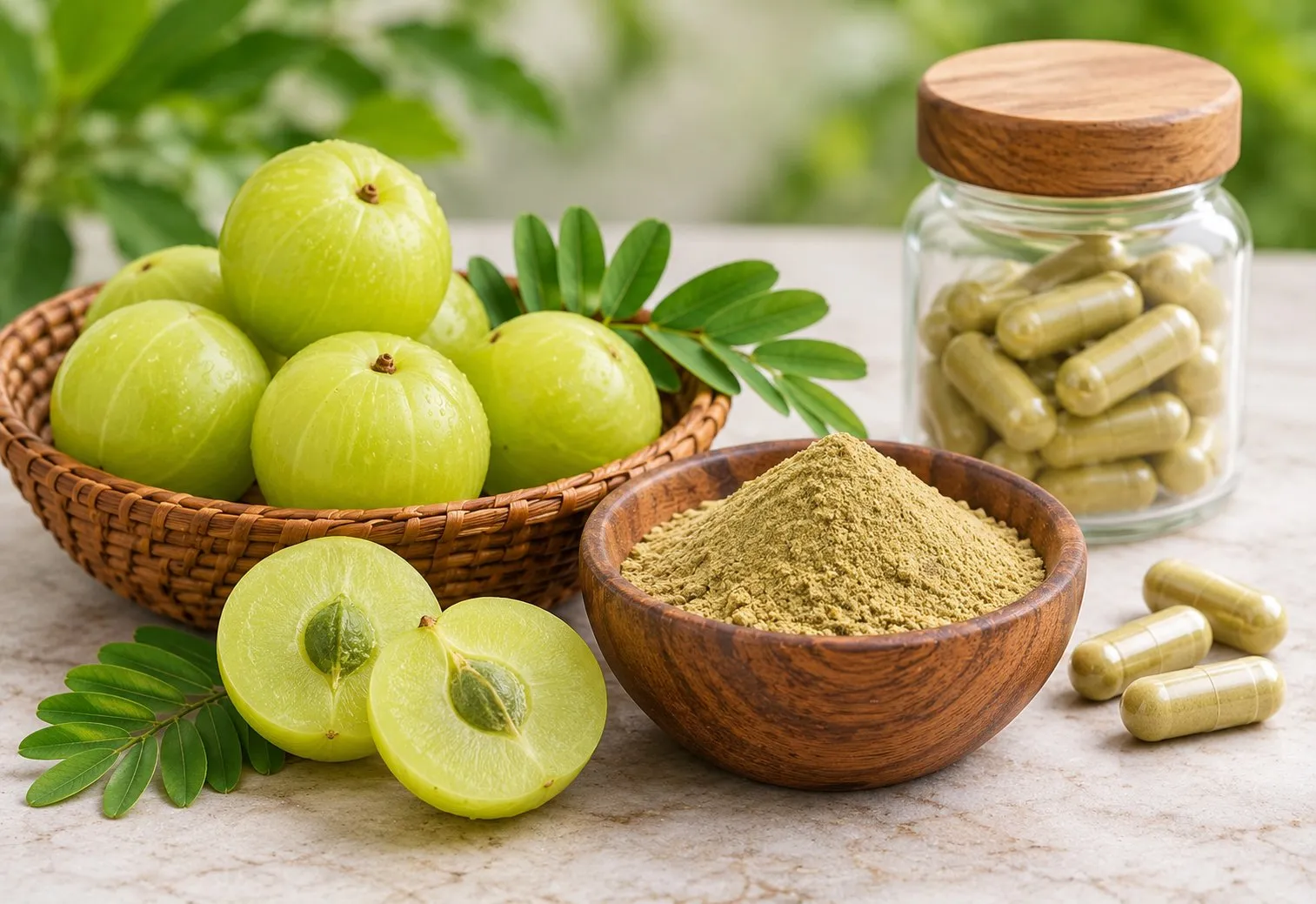
Amla, also known as Indian gooseberry, is a small green fruit with a sharp, pleasantly sour taste. It has long appeared in Indian meals, from chutneys to pickles. Today, you can also find amla powder and amla capsules. These options make it convenient to try amla, but they do not necessarily deliver identical amounts of vitamin C.
If your goal is better everyday nutrition, start by understanding what each form offers. This guide explores practical ways to eat amla fruit, use its powder, evaluate capsules, and build balanced meals without relying on exaggerated health promises.
Why Vitamin C Deserves a Place in Your Diet
The human body cannot produce Vitamin C, making it an important nutrient. It helps make collagen, which supports skin and other connective tissues, assists wound healing, contributes to normal immune function, and improves absorption of iron from plant foods. It also acts as an antioxidant.
These functions are well established, but taking more vitamin C does not automatically create stronger immunity or glowing skin. The National Institutes of Health explains that most people can obtain vitamin C from a varied diet. Amla can contribute alongside guava, citrus fruit, tomatoes, and peppers.
What Makes Fresh Amla Fruit Special?
Fresh amla contains vitamin C, fiber, and naturally occurring plant compounds. A review of amla nutrition reports substantial differences in vitamin C measurements across varieties. That means there is no reliable single figure for every fruit, and one amla should not be advertised as a guaranteed daily dose.
Choose firm, undamaged fruits and wash them thoroughly before eating. The center contains a hard seed, so cut the flesh away before serving. If the flavor feels too intense, begin with a few small pieces alongside a familiar meal rather than forcing yourself to eat it plain.
Five Easy Ways to Eat Amla
1. Add chopped amla to breakfast. Finely dice a little fresh fruit and mix it with a savory breakfast such as upma or poha after cooking. Its tart flavor adds contrast without needing much salt or sugar.
2. Make a fresh chutney. Blend deseeded amla with coriander, mint, and a little water. Adjust the seasoning to taste. Serve a small portion with idli, dosa, or a lentil dish.
3. Mix it into salads. Combine thin amla slices with cucumber, carrot, or other vegetables. This gives a crunchy meal an extra source of vitamin C while keeping the whole fruit's fiber.
4. Prepare an occasional drink. Blend washed, deseeded fruit with drinking water, then consume it soon after preparation. Avoid adding generous amounts of sugar. A strained drink may contain less fiber than eating the fruit.
5. Pair it with legumes. Add a little raw chopped amla beside chickpeas, beans, or dal. Vitamin C helps the body absorb non-heme iron from plant foods, making this a sensible dietary pairing.
How to Use Amla Powder in Everyday Meals
Amla powder is made by drying and grinding the fruit. It is convenient when fresh amla is unavailable, and it can be added to yogurt, smoothies, or cool water. However, the vitamin C content depends on how the fruit was dried, processed, and stored.
Research on amla drying methods shows that processing and storage conditions influence nutrient retention. Do not assume that a spoonful of powder always equals a particular number of fresh fruits. If vitamin C intake is your main goal, choose a product that provides a tested amount per serving.
Try stirring a small, label-recommended quantity into unsweetened curd or a fruit smoothie. You can also sprinkle it over a prepared dish once the food has cooled. Avoid prolonged heating when possible, because vitamin C is sensitive to heat. Store the powder tightly sealed, away from moisture and direct sunlight.
When shopping for amla powder, check whether the container lists only dried amla or includes sweeteners and flavorings. An expiry date and clear manufacturer information are useful. If a brand does not disclose vitamin C per serving, treat its nutritional contribution as uncertain.
Where Amla Capsules Fit In
Amla capsules may suit people who dislike the fruit's sour taste or need a portable option. They generally contain powdered fruit or a concentrated extract, depending on the manufacturer. Their convenience does not make them nutritionally superior to fresh amla.
Read the label carefully. A statement such as “500 mg amla” describes the ingredient weight, not necessarily 500 mg of vitamin C. Look for a separately declared vitamin C amount, serving instructions, ingredient details, and quality information. Be cautious about products promising instant immunity, detoxification, or treatment of disease.
If you already eat enough vitamin C-rich foods, you may not need capsules. Ask a qualified healthcare professional about supplements if you have a medical condition, take regular medication, or are pregnant or breastfeeding.
Which Form Should You Choose?
Fresh amla fruit is an appealing first choice because it provides food components beyond vitamin C. Powder can be useful for recipes and travel, provided you check its ingredients and storage instructions. Capsules offer measured portions of a product, but not necessarily a measured vitamin C dose.
Rather than selecting the strongest marketing claim, consider taste, cost, convenience, your digestive comfort, and reliable product labeling. Different forms can serve different purposes; none is required for a healthy diet.
A Simple Amla Routine You Can Maintain
You do not need amla at every meal. On days when fresh fruit is available, add a small serving to a salad or chutney. On other days, choose different vitamin C sources such as guava, oranges, or capsicum. If using powder, follow its serving directions instead of repeatedly adding extra spoonfuls.
Build meals around vegetables, whole grains, protein foods, and adequate hydration. For example, dal with vegetables and a little amla chutney provides more nutritional variety than amla juice alone. Consistency and dietary diversity matter more than any single superfood.
For children or people with swallowing difficulties, fruit should be prepared safely, and capsules should not be used casually. People managing diabetes should be mindful of sweetened amla candies and juices. The most helpful habit is reading ingredients, not choosing a product labeled natural.
Safety, Storage, and Common Mistakes
Amla's tartness may be uncomfortable if you are prone to acidity or have a sensitive stomach. Start with small food portions and stop if a product causes discomfort. Commercial preparations may contain added sugar, salt, or other ingredients, so read labels instead of judging products by their names.
Avoid replacing prescribed treatment with amla. High doses of supplemental vitamin C can cause digestive problems, and some people require personalized guidance about supplements. The NIH vitamin C fact sheet describes these precautions. Store fresh amla appropriately and discard fruit showing spoilage. Keep powders and capsules in their original containers and follow the manufacturer's directions.
Final Thoughts
Amla offers a flexible way to include vitamin C in everyday eating. Enjoy fresh amla fruit in chutneys, salads, or meals; use amla powder when convenient; and consider amla capsules only when they suit an informed need. Check labels, respect serving guidance, and remember that a varied diet remains the foundation of good nutrition. The goal is steady nourishment, not a miracle ingredient.