Remote Jobs for Beginners: 10 Easy Ways to Start Working From Home
Looking for remote jobs for beginners? Explore 10 work-from-home jobs, useful skills, trusted job websites, and tips to get hired with no experience.
Priyanshi
Author & Contributor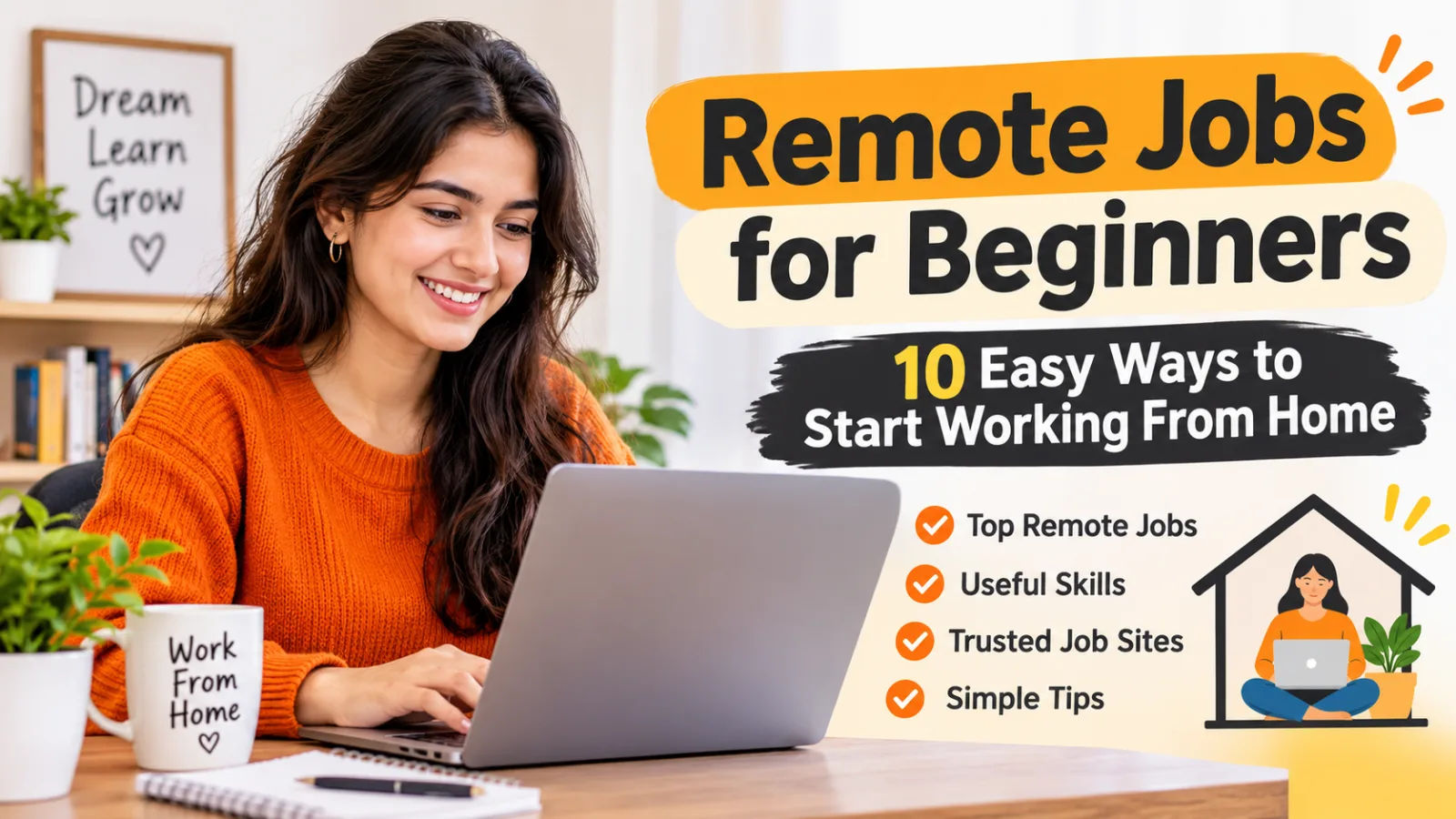
Finding a job can feel difficult when you have little or no work experience. You may want to earn money, build new skills, or start your career, but many job listings ask for experience before you even get a chance to apply.
The good news is that you do not always need years of experience to work from home. Many companies offer entry-level remote jobs that focus more on basic skills, communication, reliability, and a willingness to learn.
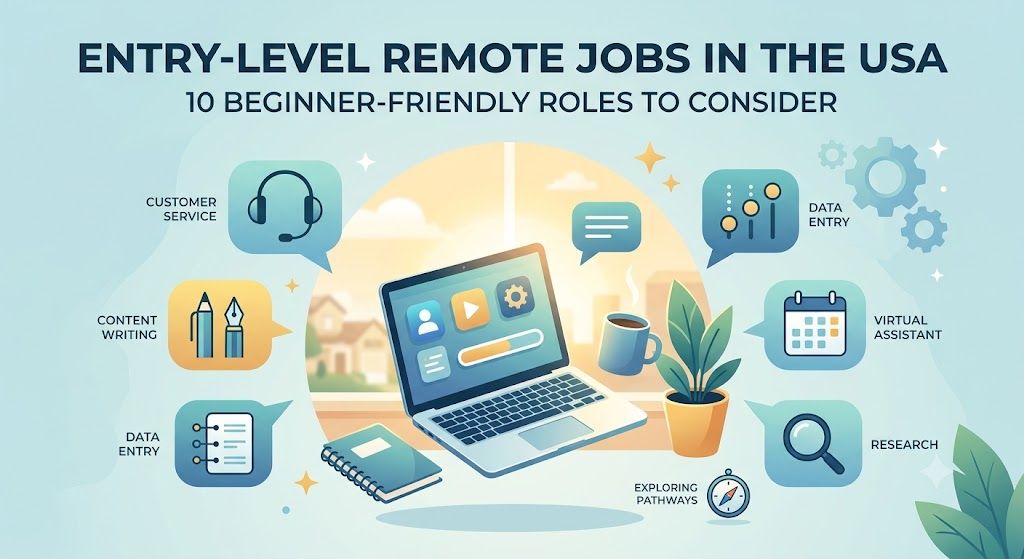
If you are searching for remote jobs for beginners, there are several opportunities worth exploring. You can work in customer service, data entry, virtual assistance, writing, online tutoring, and other fields without having a long work history.
In this guide, we will look at 10 remote jobs you can consider as a beginner, the skills you may need, where to find opportunities, and how to avoid common work-from-home scams.
What Are Remote Jobs for Beginners?
Remote jobs for beginners are work opportunities that allow people to work from home or another location without needing extensive professional experience.
These jobs are often designed for entry-level workers, students, recent graduates, career changers, and people returning to work after a break.
Some positions provide training, while others expect you to have basic computer skills and a willingness to learn.
For example, you may be able to start as a customer support representative, virtual assistant, or freelance writer by showing that you can communicate clearly and complete tasks on time.
10 Best Remote Jobs for Beginners
Here are 10 work-from-home opportunities worth considering if you are just starting your career.
1. Customer Service Representative
Customer service is one of the common entry-level paths into remote work.
Companies need people who can answer customer questions, solve basic problems, and provide support through phone calls, emails, or live chat.
You do not always need previous customer service experience. Some employers provide training to help new employees understand their products and support systems.
What you may need:
Good communication skills
Patience when dealing with customers
Basic computer knowledge
A stable internet connection
A quiet place to work, especially for phone support
Who should consider this job?
This role can suit beginners who enjoy helping people and can communicate politely.
2. Data Entry Clerk
Data entry jobs involve entering, updating, and checking information in computer systems or spreadsheets.
The work may include adding customer details, organizing records, updating product information, or transferring information from documents into digital files.
Many entry-level data entry positions focus on accuracy rather than advanced technical knowledge.
What you may need:
Basic typing skills
Knowledge of spreadsheets
Attention to detail
Basic computer skills
Ability to follow instructions
Who should consider this job?
Data entry may be suitable if you prefer organized tasks and are comfortable working with information.
However, be careful when applying. Fake data entry jobs are common, especially listings that promise unusually high pay for very little work.
3. Virtual Assistant
A virtual assistant helps businesses, professionals, or independent creators with everyday administrative tasks.
You may manage emails, organize schedules, prepare simple documents, update spreadsheets, or research information online.
Some virtual assistant jobs require experience, but beginners can also find opportunities that involve basic administrative work.
What you may need:
Good written communication
Time management
Basic knowledge of Google Docs and Sheets
Organization skills
Ability to manage different tasks
Who should consider this job?
This role is a good option for people who enjoy organizing work and helping others manage their daily responsibilities.
4. Freelance Writer
If you enjoy writing, freelance writing can be a useful way to start working remotely.
Businesses, websites, and online publications need written content for blogs, articles, product descriptions, newsletters, and website pages.
You do not necessarily need a professional writing background to begin. You can start by creating a few writing samples that show your ability to explain ideas clearly.
What you may need:
Good English writing skills
Basic research skills
Grammar and editing knowledge
Ability to meet deadlines
A small writing portfolio
Who should consider this job?
Freelance writing may suit beginners who enjoy researching topics and explaining information in simple language.
You can also publish your own articles on platforms such as PostNest to build a writing portfolio and share your ideas with readers.
5. Online Tutor
Online tutoring allows you to teach students through video calls or online learning platforms.
You may help students with school subjects, languages, mathematics, science, or other topics you understand well.
Some tutoring platforms require teaching qualifications, while others offer opportunities for people with strong knowledge of a particular subject.
What you may need:
Good knowledge of the subject
Clear communication
Patience
Basic video-calling skills
Ability to explain difficult ideas simply
Who should consider this job?
This is worth exploring if you enjoy teaching and helping others understand new subjects.
6. Social Media Assistant
Many small businesses need help managing their social media accounts but cannot hire a full-time marketing team.
A social media assistant may schedule posts, reply to comments, organize content ideas, and help prepare simple graphics.
You may also help businesses maintain a regular posting schedule.
What you may need:
Knowledge of popular social media platforms
Basic writing skills
Creativity
Understanding of simple design tools
Good organization
Who should consider this job?
Beginners who enjoy social media, content creation, and online communication may find this role interesting.
7. Transcriptionist
Transcription work involves listening to audio or video recordings and converting spoken words into written text.
You may work with interviews, meetings, educational recordings, or other audio files.
Some companies provide guidelines and training, but you will need to understand spoken language and produce accurate written content.
What you may need:
Good listening skills
Accurate typing
Strong language understanding
Attention to detail
Patience
Who should consider this job?
This role may suit people who prefer independent work and are comfortable listening carefully for extended periods.
8. Online Research Assistant
An online research assistant collects and organizes information for businesses, writers, marketers, or researchers.
Typical tasks may include finding company details, comparing products, checking sources, collecting contact information, and preparing research summaries.
You do not always need advanced research experience for basic roles.
What you may need:
Internet research skills
Attention to detail
Basic spreadsheet knowledge
Ability to check information
Clear written communication
Who should consider this job?
This can be a good starting point if you enjoy searching for information and organizing what you find.
9. Content Moderator
Content moderators review posts, comments, images, or other online material to check whether they follow a platform's rules.
Their work helps online communities remain safe and organized.
Some companies offer remote moderation positions with training, although requirements can vary. Be aware that certain moderation jobs may involve disturbing or upsetting content.
What you may need:
Attention to detail
Good judgment
Ability to follow guidelines
Basic computer skills
Emotional readiness for the type of content involved
Who should consider this job?
This role may suit people who are comfortable reviewing online content and following clear rules.
10. Website Testing
Website testing involves using a website or application and sharing feedback about your experience.
You may be asked to complete specific tasks, check whether features work properly, or explain where you experienced difficulties.
Some testing opportunities are beginner-friendly and do not require coding knowledge.
What you may need:
Basic computer or smartphone knowledge
Clear communication
Attention to detail
Ability to follow testing instructions
A microphone for some testing tasks
Who should consider this job?
This can be interesting for people who enjoy exploring websites and explaining what works well or needs improvement.
Where to Find Remote Jobs for Beginners
Finding legitimate remote work is just as important as choosing the right job. Instead of depending on random social media posts, start with established job websites and company career pages.
Here are some places to explore:
1. Indeed
Indeed is a popular job search website where you can look for remote and entry-level positions.
You can search using terms such as:
Entry-level remote jobs
Remote customer service jobs
Remote data entry jobs
Work-from-home assistant jobs
Check each listing carefully because not every remote job is suitable for beginners.
2. LinkedIn
LinkedIn allows you to search for remote jobs and connect with recruiters and professionals.
You can use its job filters to look for entry-level positions and remote work. Creating a complete profile can also help employers understand your skills and interests.
3. FlexJobs
FlexJobs focuses on flexible and remote job opportunities.
It can be useful for people looking for work-from-home positions, part-time jobs, and flexible schedules. Review its membership terms before signing up.
4. Remote.co
Remote.co features remote job listings across different industries.
You can explore opportunities in customer service, writing, marketing, administration, and other fields.
5. We Work Remotely
We Work Remotely is a job board dedicated to remote work.
It includes opportunities in areas such as customer support, sales, design, and programming. Some listings require professional experience, so check the qualifications before applying.
6. Upwork
Upwork is a freelance marketplace where businesses hire independent professionals for different projects.
Beginners can explore work involving writing, virtual assistance, research, and other services. Competition can be high, so creating a clear profile and useful samples is important.
Skills You Should Learn Before Applying for Remote Jobs
You do not need to learn everything before applying. However, developing a few basic skills can improve your chances of finding an entry-level remote position.
Here are some useful skills to focus on:
1. Communication: Learn how to write professional emails, explain your ideas, and communicate politely with customers and team members.
2. Computer basics: Understand how to use a computer, manage files, browse the internet, and work with common online tools.
3. Time management: Remote workers often need to manage their schedules and complete tasks without someone watching them throughout the day.
4. Google Workspace: Practice using Google Docs, Sheets, and Drive. These tools are commonly used for online collaboration.
5. Problem-solving: Learn how to understand a problem, search for useful information, and follow instructions to find a solution.
6. Basic writing: Clear writing is useful in customer support, virtual assistance, research, and many other remote roles.
You can learn many of these skills through free online tutorials and regular practice.
How to Get a Remote Job With No Experience
Getting your first remote job may take time, but you can make the process easier by following a simple plan.
Step 1: Choose One Type of Job
Do not apply randomly to every remote job you see.
First, decide which type of work matches your interests and current skills. For example, choose customer service if you enjoy talking to people or freelance writing if you enjoy creating content.
Step 2: Learn the Basic Skills
Look at the requirements for the jobs you want and identify the skills you are missing.
Use free tutorials and practice projects to improve those skills.
Step 3: Create a Simple Resume
Your resume does not need to be filled with professional experience.
Include your education, relevant skills, personal projects, volunteer work, and any useful training you have completed.
Keep it clear, organized, and honest.
Step 4: Build a Small Portfolio
A portfolio gives employers something practical to review.
For example:
Writers can create three sample articles.
Virtual assistants can prepare sample spreadsheets.
Social media assistants can create sample posts.
Researchers can prepare a short research report.
You can also publish original articles on PostNest and use them as examples of your writing.
Step 5: Apply Consistently
Search for suitable positions regularly and apply to jobs that match your skills.
Read the job description carefully, follow the application instructions, and adjust your resume when needed.
Step 6: Prepare for Online Interviews
Practice answering common interview questions, such as:
Tell me about yourself.
Why do you want to work remotely?
What skills can you bring to this position?
How do you manage your time?
How would you handle a difficult situation?
You do not need perfect answers. Be honest, clear, and confident.
Are Remote Jobs for Beginners Legitimate?
Yes, legitimate remote jobs are available for beginners. However, not every work-from-home opportunity you find online is genuine.
Scammers often target people who are looking for their first job because they may have less experience with the hiring process.
Watch out for these warning signs:
Requests for upfront payment: A genuine employer should not ask you to pay money to receive a job.
Guaranteed high earnings: Be careful with offers promising large amounts of money for very little work.
No proper interview: Be suspicious if someone offers you a job immediately without checking your skills or background.
Requests for sensitive information: Do not share banking passwords, verification codes, or unnecessary personal information.
Unusual payment arrangements: Avoid employers who send money and ask you to return part of it or buy gift cards.
Unverified companies: Check the company's official website, contact information, and job listing before applying.
If something sounds too good to be true, take time to investigate it.
Frequently Asked Questions About Remote Jobs for Beginners
1. Can I get a remote job with no experience?
Yes. Some companies hire beginners for customer support, data entry, virtual assistance, and other entry-level roles. You should still develop basic skills and prepare a clear resume.
2. What is the easiest remote job to get as a beginner?
There is no single easiest job for everyone. Customer service, basic administrative assistance, data entry, and some freelance tasks can be reasonable starting points depending on your skills.
3. Can I work remotely without a college degree?
Yes. Many remote positions focus on practical skills rather than a college degree. However, some employers and industries have specific education requirements.
4. Do remote jobs provide training?
Some employers provide training for entry-level positions, especially in customer service and administrative support. Other jobs expect you to have the required skills before applying.
5. How can I find legitimate work-from-home jobs?
Start with established job websites such as Indeed, LinkedIn, FlexJobs, and Remote.co. You can also check the career pages of companies directly. Always verify the employer before sharing personal information.
6. Can beginners earn money through freelance work?
Yes. Beginners can offer services such as writing, research, virtual assistance, and social media support. However, getting the first client can take time, and earnings depend on your skills, experience, and the projects you find.
Final Thoughts
Starting a remote career without experience may seem challenging, but it is possible when you take the right steps.
You do not need to learn everything at once. Start with one job type, build the basic skills, prepare a simple resume, and create a few examples of your work.
Explore trusted job websites, apply to suitable opportunities, and stay alert to scams that target people looking for work-from-home jobs.
Most importantly, be patient with yourself. Your first remote job can be the beginning of a career where you continue learning, improving, and finding better opportunities.
If you enjoy writing or sharing useful information, you can also publish your ideas on PostNest, a simple blogging platform where you can create and share your own articles.