

Michigan Whiskey Distillers – Understanding the Craft of Local Spirits
Whiskey enthusiasts often enjoy discovering how different producers approach familiar traditions. Regional distilleries can offer distinct perspectives through their ingredients, equipment, production philosophy, and visitor experiences. Exploring Michigan Whiskey Distillers can introduce enthusiasts to the people and processes that contribute to the state's spirits scene.

joshva
Author & Contributor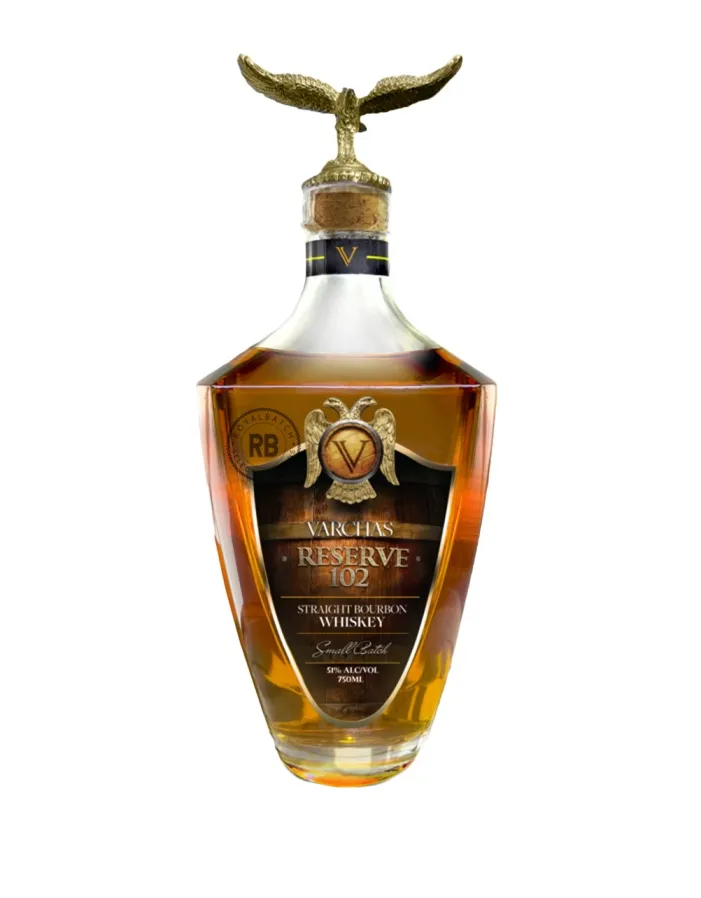
Michigan Whiskey Distillers – Understanding the Craft of Local Spirits
Exploring Michigan's Whiskey Landscape
Whiskey enthusiasts often enjoy discovering how different producers approach familiar traditions. Regional distilleries can offer distinct perspectives through their ingredients, equipment, production philosophy, and visitor experiences. Exploring Michigan Whiskey Distillers can introduce enthusiasts to the people and processes that contribute to the state's spirits scene.
From Ingredients to Fermentation
Whiskey production begins with a carefully considered grain recipe. Corn, rye, wheat, and barley are common ingredients, and each can contribute different characteristics. The grains are prepared before fermentation, allowing yeast to convert available sugars into alcohol. The resulting liquid becomes the foundation for distillation.
Fermentation requires attention because the conditions and process influence the liquid that moves into the next stage. Distillers monitor production carefully to support the desired outcome. Although the process follows established principles, individual decisions can contribute to differences between producers and expressions.
The Role of Distillation
Distillation concentrates alcohol and helps develop the character of the spirit. Different types of stills provide different ways to carry out this process. Pot stills generally operate in batches, while continuous columns allow production to proceed through a continuous system.
Shankar Distillers has a production environment featuring a continuous distillation column and a hybrid pot still. These systems provide an opportunity to learn about different distillation approaches. Understanding the equipment can help visitors see how technical decisions form part of a distillery's wider production philosophy.
How Barrels Shape Whiskey
For whiskey styles that undergo maturation, the barrel is an important part of the development process. The spirit rests in wood and gradually interacts with the barrel, which can influence its colour, aroma, and flavour. The type of barrel and the conditions in which it is stored can contribute to the final character.
Maturation is not simply a matter of waiting. Producers need to consider the development of the spirit and the conditions surrounding the barrels. Temperature changes may influence the interaction between spirit and wood, while time and barrel characteristics also matter.
Discovering Shankar Distillers in Troy
Shankar Distillers offers a local example of how production and visitor experiences can come together. Based in Troy, Michigan, the brand follows an East-meets-West philosophy that contributes to its identity. Its Varchas collection includes Straight Bourbon, Reserve 102, and Detroit Reserve.
Visitors can explore the distillery experience and learn more about the production environment. Seeing the equipment and understanding the stages of production can provide useful context before tasting the finished expressions. It also gives enthusiasts a better appreciation of the relationship between process and flavour.
Why Local Producers Matter
Local producers contribute to the diversity of the wider American whiskey industry. They provide opportunities to discover different approaches to production and understand how brands communicate their identities. For visitors researching Whiskey Distillery Michigan experiences, learning about a producer's process can be just as interesting as exploring its product range.
A local distillery visit can also encourage people to ask questions about grains, fermentation, distillation, and maturation. These conversations make whiskey production more accessible and help visitors understand the knowledge involved in creating a finished spirit.
Developing a More Informed Whiskey Experience
Learning about whiskey does not require specialist knowledge. Visitors can begin by noticing aroma, taking small sips, and comparing different expressions. Over time, they may become more familiar with the characteristics they enjoy.
Exploring local distillers makes this learning experience more engaging because it connects the spirit with its production environment. By understanding the people, equipment, and methods behind whiskey, enthusiasts can appreciate the craft with greater confidence.