What Will Be the Future of Artificial Intelligence?
Artificial intelligence will reshape everyday life, careers, healthcare, education, and entertainment while creating new opportunities and challenges for future generations.

John Miller
Author & Contributor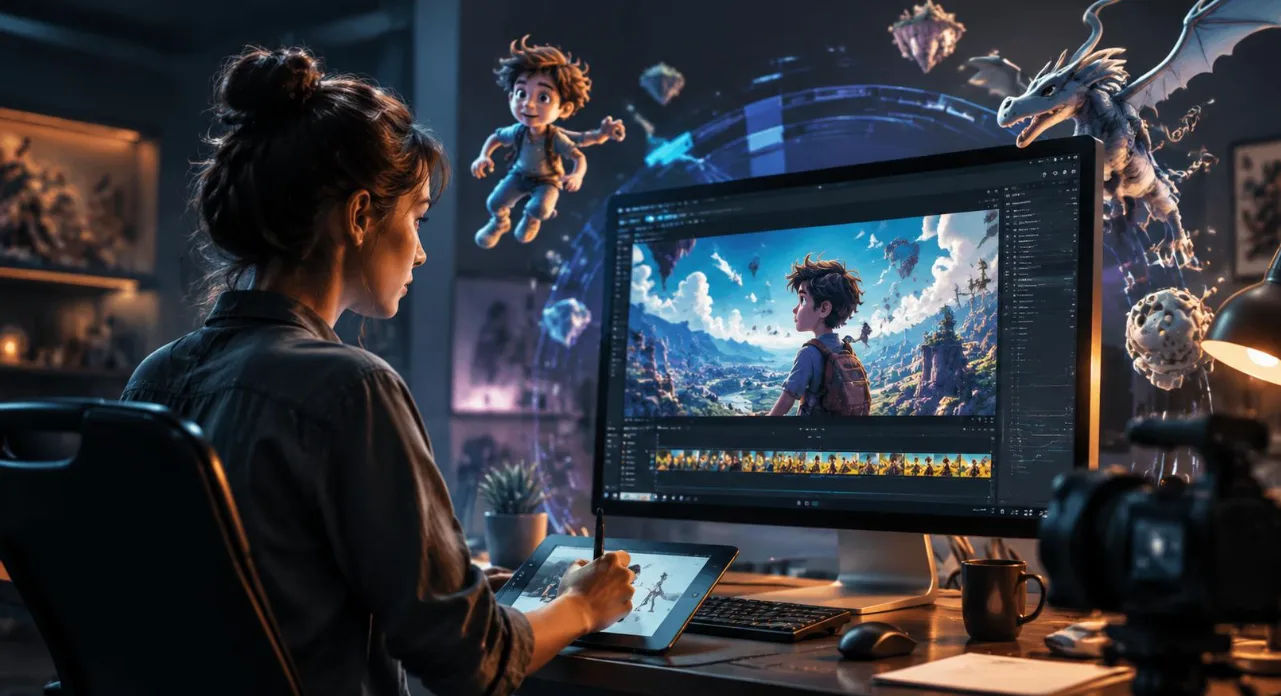
Artificial intelligence is becoming an important part of everyday life, changing how people work, communicate, learn, and make decisions. From smart assistants to automated business operations, AI is creating new possibilities across different industries. However, its development raises an interesting question: what will the future of artificial intelligence look like? As technology continues to advance, intelligent systems are expected to become more capable, creative, and accessible. Their growing presence could reshape professional opportunities, digital experiences, education, healthcare, entertainment, and the way people interact with technology.
This article discusses upcoming AI developments, workplace changes, creative opportunities, human relationships, and challenges that may shape tomorrow's digital world.
AI Will Become a Bigger Part of Everyday Life
Artificial intelligence is gradually moving beyond computers and smartphones. In the coming years, it could become a regular part of household appliances, vehicles, workplaces, and personal devices.
Smart assistants may become better at recognizing individual preferences and responding to everyday requirements. People could manage household activities, organize schedules, receive personalized recommendations, and complete routine tasks with less manual effort.
Similarly, AI-powered systems may communicate more naturally. Instead of following basic commands, they could understand conversations, recognize context, and provide responses according to individual needs.
For example:
Smart home systems could manage lighting, temperature, and security.
AI assistants could organize meetings and daily schedules.
Personalized learning tools could support students with different learning requirements.
Intelligent applications could simplify everyday administrative tasks.
Consequently, technology may become less complicated for people who do not have advanced technical knowledge.
Creative Industries Will Experience New Possibilities
Artificial intelligence is already changing how people approach creative work. Writers, designers, musicians, filmmakers, and digital artists can use intelligent tools to support their ideas and production processes.
In the future, these tools may become more capable of producing realistic visual content, customized animations, digital characters, and interactive storytelling experiences.
For example, creators may use AI applications to:
Develop original characters for digital stories.
Produce animated scenes with fewer production resources.
Create personalized advertising materials.
Generate background music and visual concepts.
Experiment with different storytelling styles.
The ability to generate AI character video could also make digital entertainment more accessible to independent creators and small businesses.
However, human creativity will continue to matter. AI can assist with production, but original ideas, emotional storytelling, artistic judgment, and cultural context still require meaningful human direction.
AI Will Transform Jobs and Professional Opportunities
The workplace is another area where artificial intelligence could bring significant changes. Many businesses already use automation to manage repetitive activities, organize information, and support customer communication.
In the coming years, AI may handle more routine responsibilities, allowing employees to concentrate on creative thinking, planning, problem-solving, and decision-making.
However, this does not mean every traditional job will disappear. Instead, several professions may change according to new technological requirements.
Workers may need to develop skills in:
AI-assisted communication and content creation.
Data management and digital security.
Creative problem-solving and critical thinking.
Machine learning and automation management.
Human-centered services and professional collaboration.
We may also see new career opportunities connected with AI development, digital content management, and intelligent software systems.
Admittedly, adjusting to these changes will require continuous learning. People who remain open to new skills may find more opportunities in an increasingly technology-driven workplace.
Healthcare and Education Could Become More Personalized
Healthcare and education are two important sectors where artificial intelligence could provide valuable assistance.
In healthcare, intelligent systems may help medical professionals organize patient information, examine medical images, and identify patterns that deserve further attention. AI-powered administrative tools could also reduce paperwork and support hospital management.
However, medical decisions should remain under qualified professional supervision.
Education may experience similar changes. AI-powered learning assistants could explain difficult subjects, provide practice exercises, and adjust lessons according to individual learning progress.
Students may receive additional support outside traditional classroom hours. Likewise, teachers could use AI tools to prepare educational materials and organize learning activities.
Their success will depend on responsible implementation, reliable information, and appropriate human supervision.
AI Companions and Virtual Characters Will Develop Further
Another interesting possibility involves the development of AI companions and virtual personalities.
People are increasingly interested in digital characters that can communicate, participate in roleplay, and provide personalized conversations. Future applications may offer more consistent personalities, better conversational memory, and richer multimedia interactions.
These developments could influence entertainment, storytelling, and social experiences.
Sugarlab AI reflects this growing interest in customized virtual characters and interactive AI experiences. As these applications develop, users may expect more natural communication and greater creative flexibility.
Still, digital companionship should complement rather than completely replace meaningful human relationships. Healthy boundaries, privacy protection, and transparency will remain essential.
Responsible AI Development Will Matter More Than Ever
Despite its possibilities, artificial intelligence also creates challenges that deserve serious attention.
Privacy, misinformation, copyright ownership, employment changes, and automated decision-making will require responsible policies and careful technical development.
Companies developing AI systems will need to prioritize transparency, security, and user control.
Important areas requiring attention include:
Data privacy: Personal information should receive appropriate protection.
Content authenticity: AI-generated media should not mislead audiences.
Fairness: Automated systems should avoid discriminatory decisions.
Human supervision: Important decisions should receive appropriate human review.
Digital safety: Users should have better control over their online experiences.
Personalized Digital Experiences Will Become More Advanced
Personalization is likely to become an important part of future AI applications. Modern platforms already recommend content, products, entertainment, and services according to individual interests.
Future systems may offer more personalized experiences through improved language processing, contextual responses, and creative capabilities.
For instance, digital entertainment could become more interactive. Users may communicate with virtual personalities, create fictional characters, and enjoy conversations shaped around their preferences.
This development could also influence AI-generated entertainment. People interested in specialized creative content, including AI redhead porn, may encounter increasingly customized synthetic media experiences as generative technologies develop.
Similarly, Sugarlab AI represents the growing interest in personalized AI character experiences, where digital interactions can feel more tailored to individual preferences.
Nevertheless, privacy and responsible content creation will remain important considerations as these applications become more sophisticated.
Conclusion
The future of artificial intelligence will bring significant changes to everyday activities, professional opportunities, healthcare, education, and digital entertainment. Intelligent systems may become more personalized, creative, and accessible, helping people complete tasks and develop new ideas. However, technological progress must go alongside privacy, transparency, security, and human supervision. They will determine how responsibly these systems become part of society. Although challenges will remain, AI has considerable potential to support human progress. Its long-term value will depend on how thoughtfully people develop, manage, and use it.