
Top 5 Endangered Animals Facing the Greatest Conservation Challenges
Discover five endangered animals facing serious threats and the conservation efforts working to protect their future.

Teresalisbon
Author & Contributor
Top 5 Endangered Animals Facing the Greatest Conservation Challenges
Wildlife around the world faces increasing pressure from habitat destruction, illegal hunting, climate change, pollution, and human activity. Many animal species have experienced significant population declines, leaving conservation organisations with the difficult task of protecting their remaining populations.
The International Union for Conservation of Nature (IUCN) maintains the Red List, which identifies species facing different levels of extinction risk. Critically Endangered is the highest threatened category before a species becomes extinct in the wild. Five animals illustrate some of the most serious conservation challenges today.
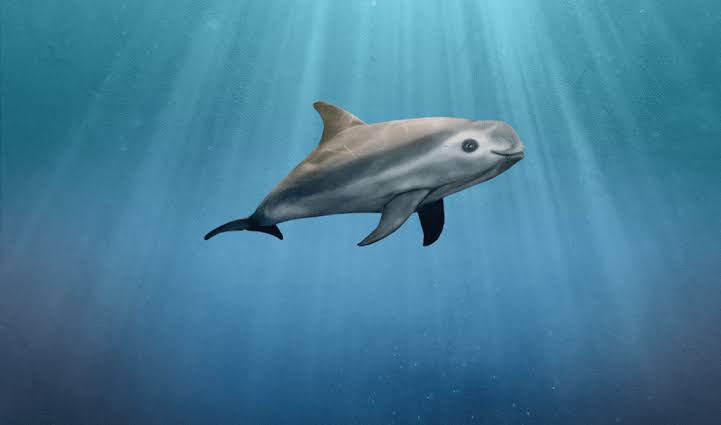
1. Vaquita
The vaquita is a small porpoise found only in the northern Gulf of California, Mexico. It is considered one of the world's most endangered marine mammals, with surveys indicating that approximately ten individuals remained during the 2019-2023 observation period.
The greatest threat comes from accidental entanglement in fishing nets, particularly illegal gillnets used in fisheries targeting totoaba fish. Because vaquitas have a very limited natural range, even a small number of deaths can have a devastating effect on the population.
Conservation efforts focus on removing dangerous nets, enforcing fishing restrictions, and encouraging safer fishing methods.
2. Javan Rhinoceros
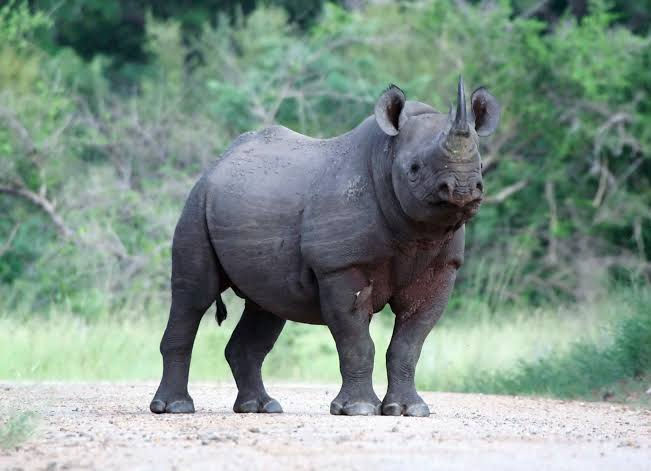
The Javan rhinoceros is among the rarest large mammals on Earth. It survives in Indonesia, primarily within Ujung Kulon National Park. The species is classified as Critically Endangered, with an estimated population of around 50 individuals reported in 2025.
Its small population makes it particularly vulnerable to disease, natural disasters, habitat limitations, and illegal hunting. Since almost the entire remaining population is concentrated in one protected area, a major environmental event could have serious consequences.
Conservation programmes focus on protecting its habitat, monitoring individuals, preventing poaching, and exploring ways to establish additional populations.
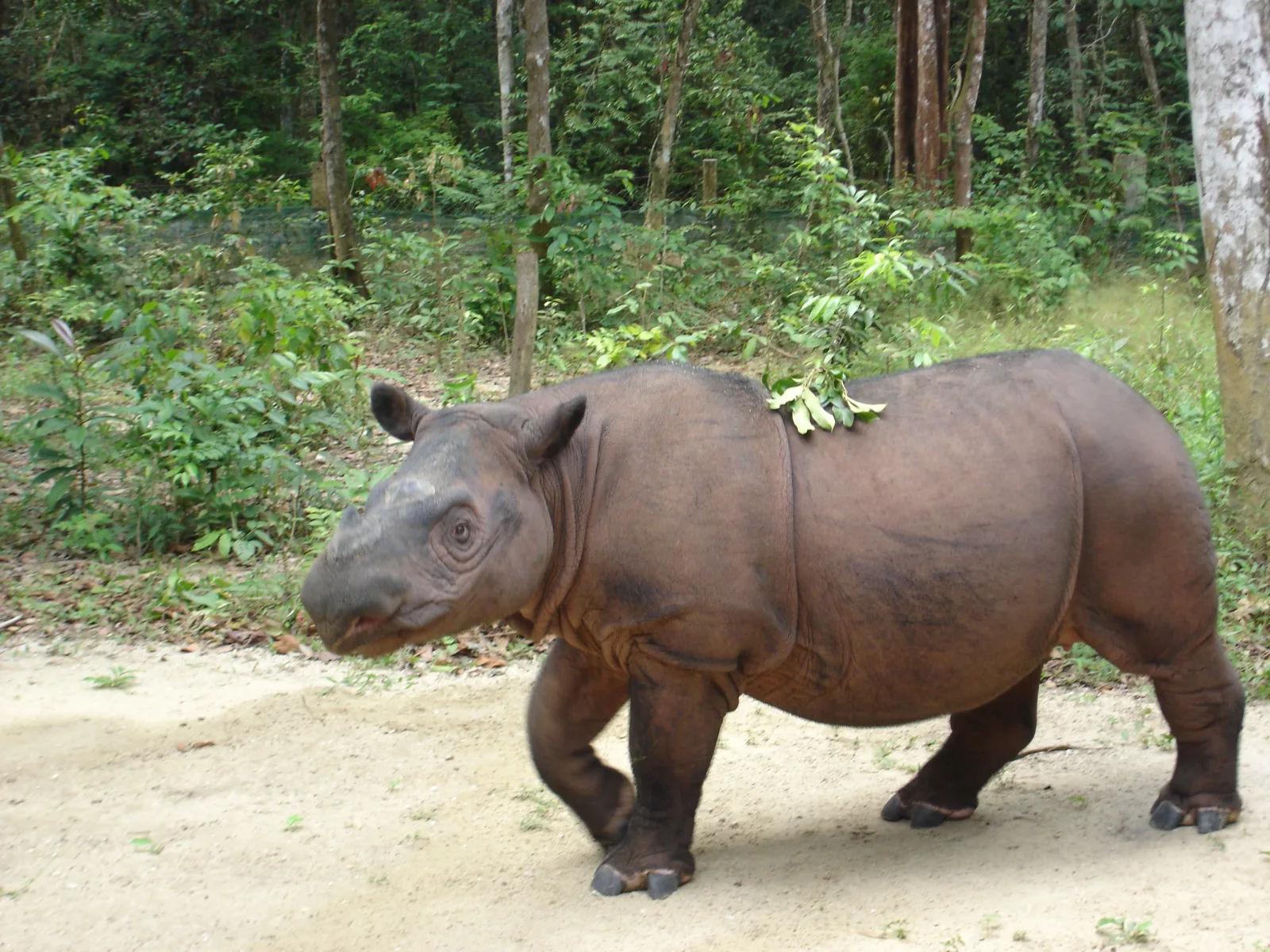
3. Sumatran Rhinoceros
The Sumatran rhinoceros is the smallest living rhinoceros species and one of the most threatened mammals in Southeast Asia. It is classified as Critically Endangered, with an estimated 34 to 47 individuals reported in 2026.
Habitat fragmentation has separated surviving animals into small, isolated groups. This makes it difficult for individuals to find breeding partners and maintain healthy populations. Poaching and the loss of tropical forest habitats have also contributed to its decline.
Conservation organisations are working on habitat protection, breeding programmes, population monitoring, and efforts to bring isolated individuals together for reproduction.
4. Orangutans
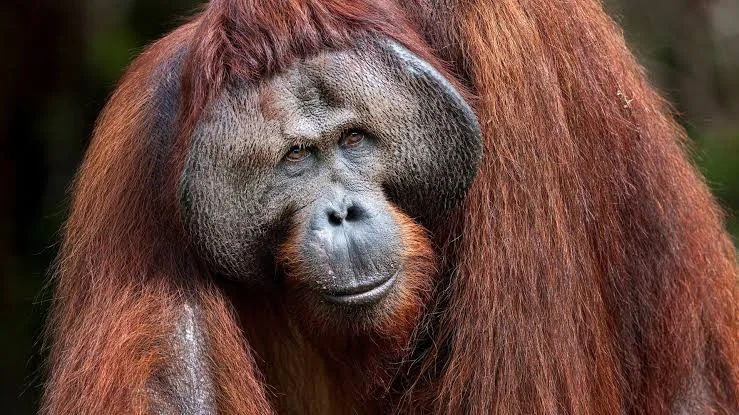
Orangutans are highly intelligent great apes native to the rainforests of Indonesia and Malaysia. The Bornean, Sumatran, and Tapanuli orangutans are all classified as Critically Endangered.
Their survival is closely connected to tropical forest ecosystems. Deforestation for agriculture, plantations, mining, and infrastructure development has reduced and fragmented their natural habitats. Illegal wildlife trade and human-wildlife conflict create additional risks.
Protecting forest corridors, restoring damaged habitats, preventing illegal capture, and supporting responsible land management are essential for their future.
5. Amur Leopard
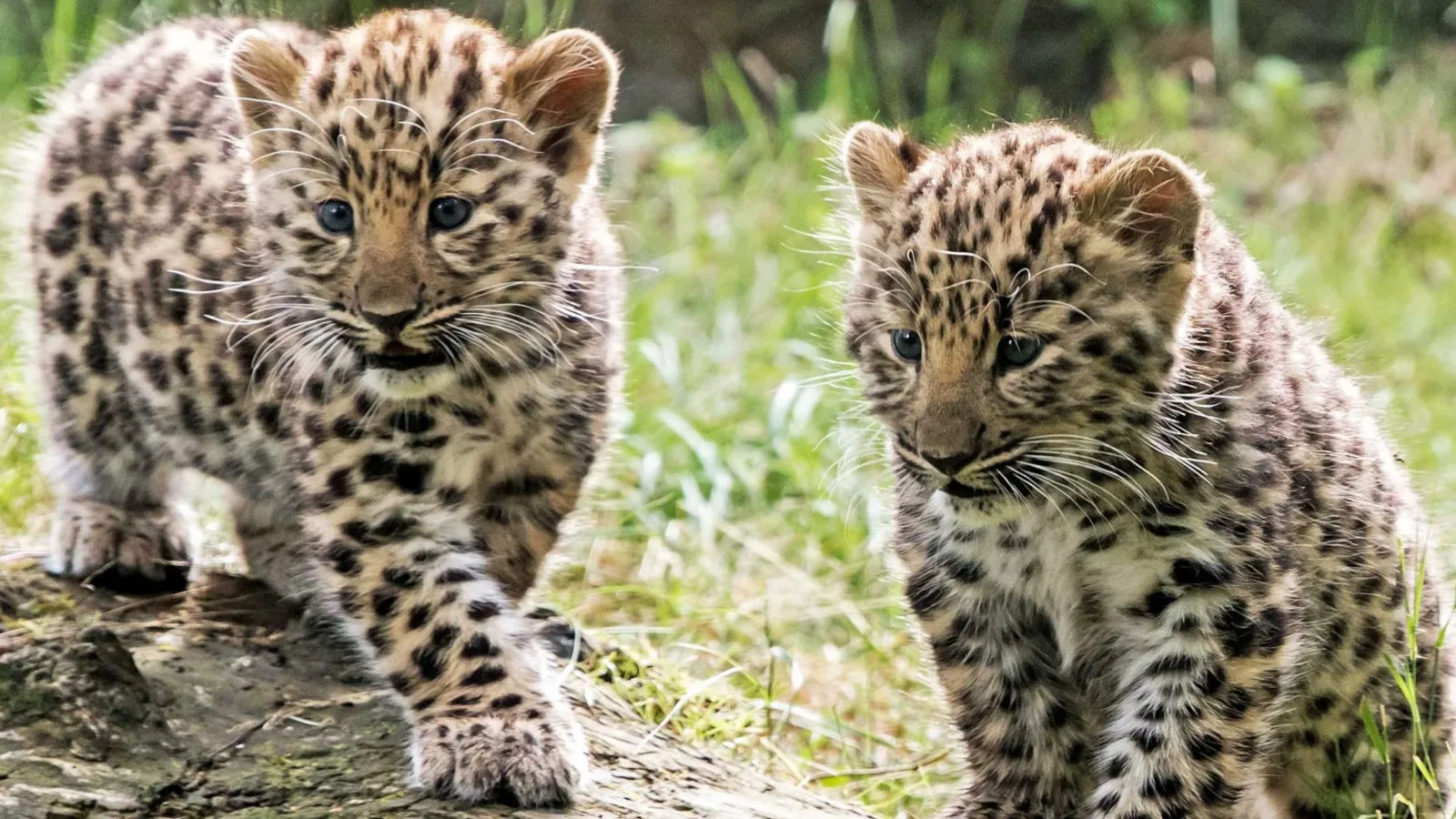
The Amur leopard is a rare big cat native to the Russian Far East and parts of northeastern China. It is classified as Critically Endangered and is known for its ability to survive in cold, forested environments.
Its major threats include poaching, habitat fragmentation, reduced prey availability, and conflicts with human activities. A small and geographically restricted population also creates challenges for genetic diversity and long-term survival.
Protected areas, anti-poaching patrols, habitat restoration, and cross-border cooperation are important parts of ongoing conservation work.
Conclusion
The vaquita, Javan rhinoceros, Sumatran rhinoceros, orangutans, and Amur leopard represent some of the serious challenges facing global wildlife conservation. Their situations differ, but habitat protection, stronger enforcement, scientific monitoring, and community participation are important across all five cases. Preventing extinction requires sustained action rather than short-term attention.