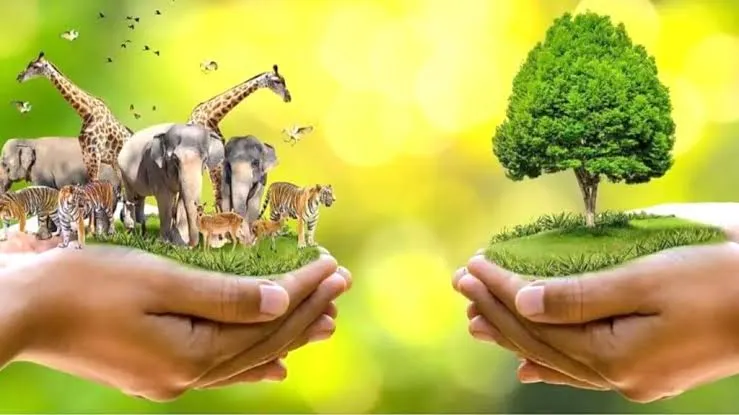

Top 5 Countries With the Greatest Biodiversity
Protecting these environments requires responsible land use, stronger conservation programmes, and international cooperation to reduce biodiversity loss.

Teresalisbon
Author & Contributor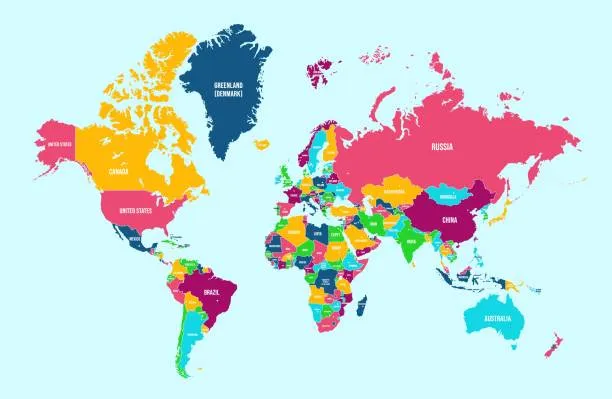
Top 5 Countries With the Greatest Biodiversity
Biodiversity refers to the variety of life found on Earth, including animals, plants, fungi, microorganisms, and the ecosystems they form. Some countries are especially rich in biodiversity because they contain tropical rainforests, mountain ranges, wetlands, coral reefs, and other habitats that support thousands of species.
The world's megadiverse countries are home to a remarkable share of global plant and animal life. Brazil, Indonesia, Colombia, China, and Mexico are among the leading examples, each offering a distinctive combination of ecosystems and wildlife.
1. Brazil
Brazil is widely recognised as one of the most biodiverse countries on the planet. Its natural landscapes include the Amazon Rainforest, Pantanal wetlands, Cerrado savannah, and Atlantic Forest. These environments support extraordinary numbers of mammals, birds, reptiles, amphibians, insects, and plant species.
The Amazon is particularly important because it contains an immense variety of tropical life and plays a major role in global ecological systems. Brazil is home to species such as jaguars, giant anteaters, pink river dolphins, toucans, and numerous colourful frogs.
Deforestation, habitat fragmentation, illegal wildlife trade, and fires remain major conservation concerns.

2. Indonesia
Indonesia's thousands of islands create a wide range of habitats, from tropical rainforests and mangroves to coral reefs and volcanic landscapes. Its location between the Asian and Australian regions has contributed to an unusual mixture of wildlife.
The country is famous for orangutans, Komodo dragons, Sumatran tigers, proboscis monkeys, and many endemic bird species. Its marine environments are also exceptionally rich, particularly around the Coral Triangle, which supports diverse coral and fish communities.
Forest conversion, mining, overfishing, and habitat loss place pressure on many native species.
3. Colombia
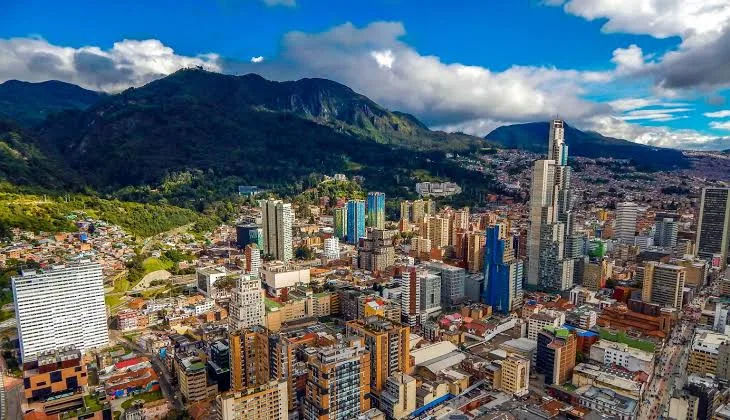
Colombia has an exceptional range of ecosystems, including Amazonian rainforest, Andean mountains, Caribbean coastlines, Pacific forests, and tropical grasslands. Its varied geography supports an impressive diversity of birds, orchids, amphibians, butterflies, and mammals.
The country is particularly well known for its bird diversity. Andean condors, colourful hummingbirds, spectacled bears, and several unique frog species are among its remarkable wildlife.
Protecting natural habitats is essential because deforestation, illegal mining, and land conversion continue to threaten ecosystems in several regions.
4. China
China contains a wide range of natural environments, including subtropical forests, temperate woodlands, grasslands, wetlands, deserts, and high mountain ecosystems. This geographical variety supports a large number of plant and animal species.
The giant panda is perhaps the country's most recognised wildlife symbol. Other notable animals include the snow leopard, golden snub-nosed monkey, Chinese alligator, and several rare pheasant species.
China has expanded protected areas and conservation programmes, although habitat fragmentation, pollution, and development continue to create challenges for wildlife.

5. Mexico
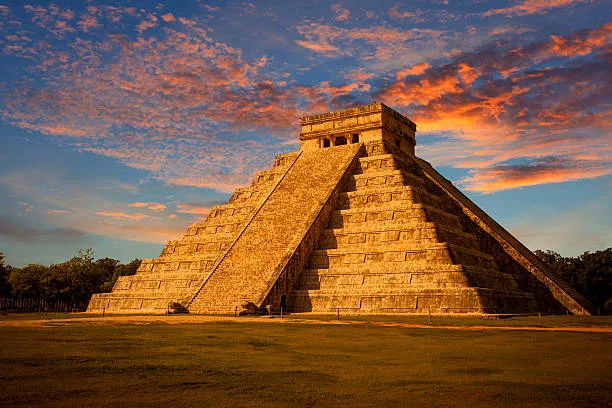
Mexico is one of the world's major biodiversity-rich countries because of its varied climate and geographical position between North and Central America. Its ecosystems include deserts, tropical forests, mountains, mangroves, and coral reefs.
The country supports jaguars, monarch butterflies, axolotls, sea turtles, and many species of cacti and other plants. Several species are found naturally only within Mexico, making its conservation importance particularly high.
Urban expansion, agricultural development, water shortages, and illegal wildlife trade are among the pressures affecting its natural environments.
Conclusion
Brazil, Indonesia, Colombia, China, and Mexico demonstrate the extraordinary variety of life supported by different ecosystems. Their forests, wetlands, mountains, and marine habitats provide essential resources for wildlife and people. Protecting these environments requires responsible land use, stronger conservation programmes, and international cooperation to reduce biodiversity loss.