The Benefits of Grip Socks for Comfortable and Effective Home Football Training
Grip socks are specially designed athletic socks featuring silicone or rubberised patterns on their soles. These patterns create additional friction between the sock and the surface of the footwear, helping minimise unwanted foot movement.

William Carter
Author & Contributor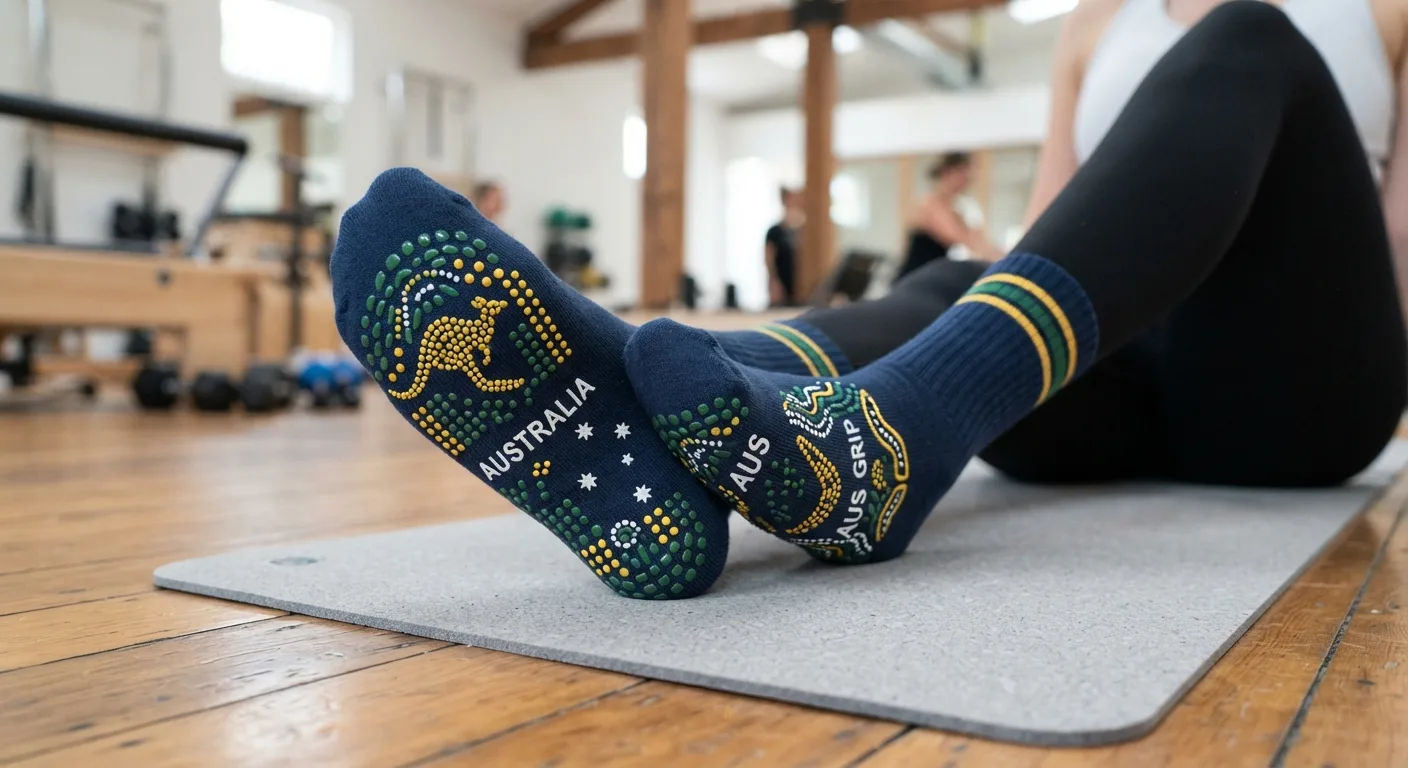
Home football training is an excellent way to develop essential football skills, improve fitness and build confidence without visiting a professional training ground. However, having the right equipment is important for making every practice session comfortable and productive. One useful addition to a player's training kit is a pair of grip socks. With the growing popularity of Grip socks australia, football players are increasingly recognising the importance of comfortable footwear and better foot stability during exercise.
Whether you practise passing, ball control, footwork or agility drills at home, grip socks can provide additional support. Their specialised non-slip patterns help create friction between the foot and footwear, potentially reducing unwanted movement during training. Choosing the right pair can make home practice more comfortable and help players concentrate on improving their skills.
Table of Contents
What Are Football Grip Socks?
Why Grip Socks Are Useful for Home Football Training
Key Benefits of Wearing Grip Socks
Best Home Football Exercises to Perform with Grip Socks
How to Choose the Right Grip Socks
Tips for Maintaining Your Grip Socks
Frequently Asked Questions
Conclusion
What Are Football Grip Socks?
Grip socks are specially designed athletic socks featuring silicone or rubberised patterns on their soles. These patterns create additional friction between the sock and the surface of the footwear, helping minimise unwanted foot movement.
Unlike ordinary sports socks, grip socks focus on improving the connection between the foot and the shoe. They are commonly used by football players, futsal athletes and individuals participating in different indoor sports.
Most football grip socks include several practical features:
Non-slip grip patterns: Silicone elements help improve friction inside football boots.
Breathable materials: Technical fabrics help manage moisture during physical activity.
Comfortable construction: Stretchable materials provide a secure and supportive fit.
Durable design: Reinforced areas can help withstand repeated training sessions.
Flexible structure: The socks allow natural foot movement during different exercises.
These features make them a practical choice for players who want comfortable and functional training equipment.
Why Grip Socks Are Useful for Home Football Training
Home football training often involves quick movements, short sprints, ball control exercises and repeated changes of direction. These activities require players to maintain balance and feel comfortable in their footwear.
Ordinary socks may move inside shoes during certain exercises, creating discomfort and distractions. Grip socks are designed to reduce this unwanted movement by increasing friction between the foot, sock and footwear.
For players researching Grip socks australia, understanding this benefit can help them make more informed equipment choices.
They are particularly useful during:
Indoor football practice.
Short-distance footwork drills.
Ball control exercises.
Passing and receiving practice.
Warm-up and conditioning sessions.
However, grip socks are not a replacement for properly fitted football shoes or suitable training surfaces. They should complement an appropriate training setup.
Key Benefits of Wearing Grip Socks
1. Better Foot Stability During Training
Foot stability is important when performing football movements such as turning, stopping, passing and changing direction.
Grip socks feature specialised sole patterns that increase friction against the inside of footwear. This can help reduce unnecessary foot movement and create a more secure feeling.
During home training, better footwear comfort allows players to focus on their technique instead of constantly adjusting their socks.
2. Improved Comfort During Long Practice Sessions
Repeated football exercises can put pressure on the feet, particularly when players practise for extended periods.
Comfortable sports socks can make these sessions more enjoyable. Many grip socks use flexible materials that fit closely around the foot without creating excessive pressure.
When selecting Grip socks australia, players should consider fabric quality, thickness and sizing to find a suitable option for regular practice.
3. Reduced Friction-Related Discomfort
Foot movement inside footwear can create rubbing between the skin, socks and shoe lining. Repeated friction may contribute to uncomfortable hotspots and blisters.
Grip socks can help minimise some of this movement by creating a more secure connection inside the shoe.
However, they cannot guarantee blister prevention. Proper shoe sizing, suitable materials and good foot care remain important.
4. Better Confidence During Footwork Exercises
Footwork is an essential part of football development. Players regularly perform movements that require coordination, balance and controlled changes of direction.
When footwear feels secure, players may feel more confident performing these exercises.
This can be particularly useful for beginners who are learning basic movements and developing their football technique at home.
5. Suitable for Different Training Activities
Football players do not always need a professional ground to practise important skills. Many exercises can be performed in a suitable indoor training area.
Grip socks can be incorporated into different routines, including:
Ball control and dribbling practice.
Short passing exercises.
Controlled footwork movements.
Indoor warm-up routines.
Balance and coordination activities.
Players should choose footwear appropriate to the training surface and avoid using grip socks alone on slippery floors.
6. Support for a More Consistent Training Routine
Consistency is one of the most important factors in developing football skills.
Having comfortable training equipment can make it easier to maintain a regular practice schedule. Grip socks are lightweight, easy to store and simple to include in a home football kit.
Players can keep a dedicated pair with their football equipment and use them whenever they practise.
Best Home Football Exercises to Perform with Grip Socks
Grip socks can complement several football training activities when worn with appropriate footwear.
Training Exercise
Main Purpose
Recommended Approach
Ball control drills
Improve touch
Practise short controlled touches
Passing practice
Develop accuracy
Pass against a suitable rebound surface
Cone dribbling
Improve coordination
Move around cones at controlled speed
Side-to-side movements
Develop footwork
Practise short lateral steps
Balance exercises
Improve body control
Perform controlled single-leg movements
Create a Simple Home Training Routine
Players can organise their practice into manageable sessions.
Warm-up: 5 minutes
Start with light jogging in place, dynamic stretching and gentle foot movements.
Ball control: 10 minutes
Practise alternating touches, controlled dribbling and basic ball manipulation.
Footwork: 5 minutes
Use cones or floor markers to practise controlled directional movements.
Passing practice: 10 minutes
Work on passing accuracy and receiving techniques using a safe training area.
Cool-down: 5 minutes
Finish with gentle walking and stretching.
This routine provides a simple starting point for beginners. Players can adjust the duration and difficulty according to their fitness and experience.
How to Choose the Right Grip Socks
Not every pair of grip socks offers the same comfort, construction or performance characteristics. Selecting an appropriate design is important for regular football training.
Check the Material Quality
Look for breathable and moisture-managing fabrics that help maintain comfort during exercise. A suitable material should also offer enough flexibility for natural foot movement.
Select the Correct Size
Proper sizing is essential. Socks that are too tight may cause discomfort, while oversized socks can move around during exercise.
Always check the manufacturer's size guide before purchasing.
Examine the Grip Pattern
Pay attention to the placement and quality of the silicone grip elements. A well-designed pattern should provide consistent contact without creating uncomfortable pressure points.
Consider Thickness and Cushioning
Some players prefer lightweight socks, while others prefer additional cushioning around the heel and forefoot.
The best choice depends on personal preference and how the socks fit inside the football boots.
Look for Durable Construction
Regular training can cause wear around the toes, heels and soles. Reinforced stitching and quality materials may help extend the product's useful life.
Tips for Maintaining Your Grip Socks
Proper care helps preserve the comfort and functionality of sports socks.
Follow these simple maintenance practices:
Wash socks according to the manufacturer's care instructions.
Avoid excessive heat when drying.
Do not use harsh cleaning products.
Keep silicone grip areas clean.
Allow socks to dry completely before storing them.
Replace damaged or excessively worn pairs.
Regular maintenance helps keep your football accessories in better condition and ready for future training sessions.
Frequently Asked Questions
1. Are grip socks useful for home football training?
Yes. They can improve the secure feeling inside footwear and make footwork exercises more comfortable when used with suitable shoes.
2. Can beginners wear football grip socks?
Absolutely. Beginners can use grip socks during basic football exercises, ball control practice and indoor training sessions.
3. Do grip socks help prevent blisters?
They may reduce some rubbing caused by unwanted foot movement inside footwear. However, they cannot guarantee blister prevention.
4. How often should football grip socks be washed?
They should be washed regularly, particularly after sweaty training sessions. Always follow the manufacturer's washing instructions.
5. Can grip socks be used for futsal?
Yes. They can be used for futsal when paired with properly fitted indoor footwear suitable for the playing surface.
6. What should I consider when buying grip socks in Australia?
Consider sizing, breathable materials, grip quality, cushioning, durability and compatibility with your football shoes.