How Businesses Can Strengthen Their Social Media Presence Through Strategic SMM Services
Explore how Instagram, YouTube, Facebook, TikTok, and X marketing services fit into a comprehensive social media strategy for businesses, creators, and digital marketing agencies.

Aaryan Sharma
Author & Contributor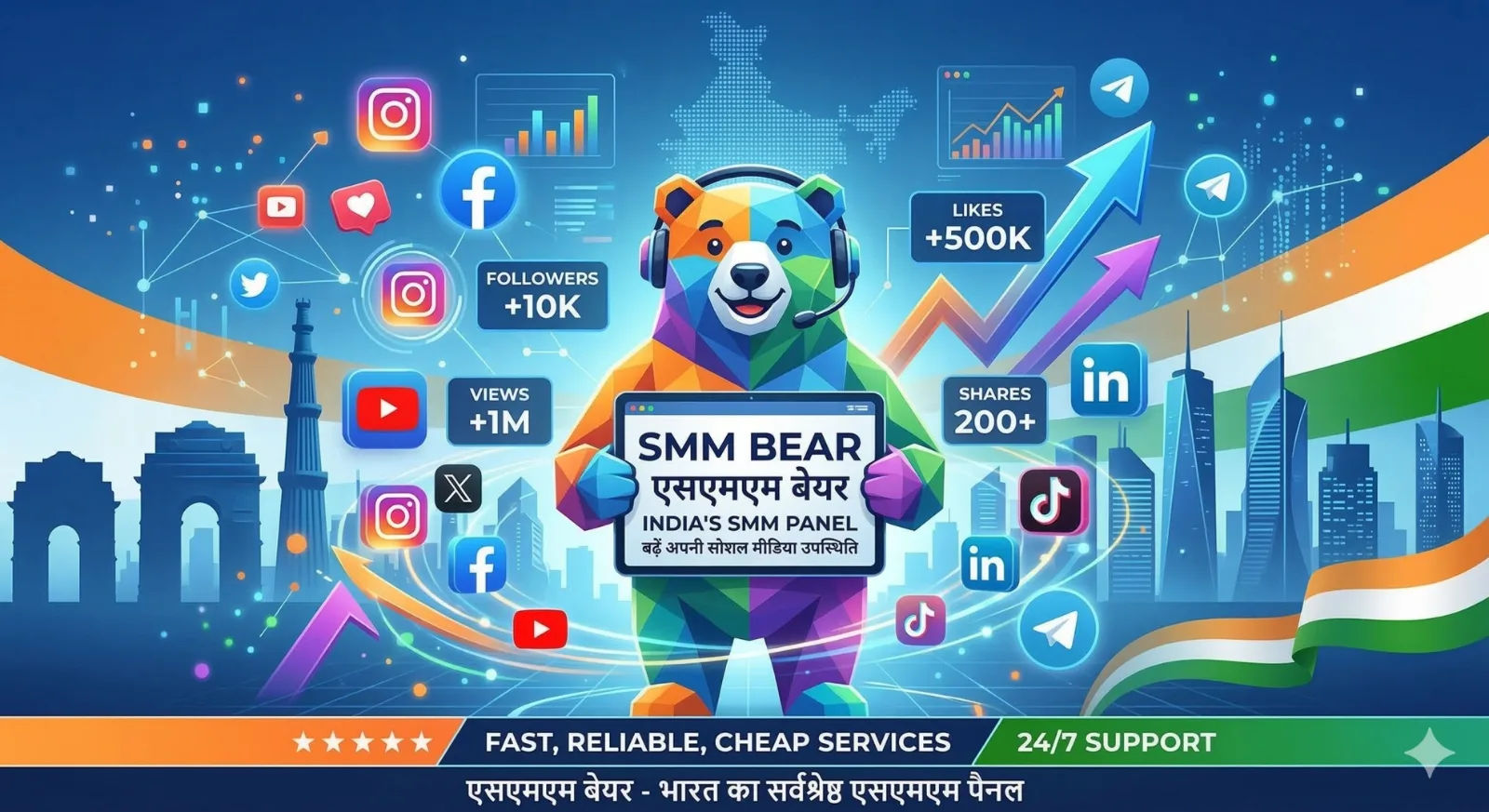
Social media has become an essential part of how businesses communicate with customers, introduce products, share information, and develop brand recognition. Platforms such as Instagram, YouTube, Facebook, TikTok, and X provide different opportunities for reaching audiences and building meaningful digital relationships.
However, managing multiple social media platforms requires more than publishing occasional updates. Businesses need a consistent content strategy, relevant communication, audience research, and regular performance analysis.
This is where social media marketing services can become part of a broader digital marketing strategy. A social media marketing panel brings different platform-related service categories together through a centralized dashboard, allowing users to explore available options according to their campaign requirements.
Understanding the Role of Social Media Marketing Services
Social media marketing involves promoting a business, product, service, or personal brand through online social platforms. It includes content creation, audience engagement, promotional campaigns, performance monitoring, and community management.
Different platforms serve different communication purposes. Instagram emphasizes visual storytelling, YouTube supports long-form and short-form video content, Facebook provides business and community communication opportunities, TikTok focuses on short-form videos, and X supports real-time discussions and information sharing.
A centralized SMM platform can help businesses and marketing agencies explore service categories across these channels.
SMM Bear provides a platform for exploring different social media marketing services through dedicated categories for multiple social networks.
Instagram Marketing for Visual Brand Communication
Instagram is widely used by businesses, influencers, creators, and online retailers to communicate through images, Reels, Stories, and other visual formats.
Brands can use Instagram to introduce products, demonstrate services, publish educational content, and interact with their communities.
An effective Instagram marketing strategy should include:
Publishing original and visually relevant content.
Maintaining a consistent posting schedule.
Creating informative Reels and Stories.
Using relevant hashtags and descriptions.
Responding to genuine audience interactions.
Reviewing Instagram Insights to understand content performance.
Businesses researching external Instagram marketing services can explore the Instagram SMM Panel offered by SMM Bear.
The important consideration is to combine promotional tools with authentic content and meaningful audience relationships.
YouTube Marketing for Video Content and Audience Development
YouTube provides businesses and creators with opportunities to communicate through tutorials, product demonstrations, educational videos, interviews, and entertainment content.
Video marketing can help explain complex services, demonstrate product features, and answer common customer questions.
An effective YouTube strategy should consider:
Creating original and informative videos.
Writing descriptive video titles.
Designing relevant thumbnails.
Organizing videos into useful playlists.
Improving content structure and viewer retention.
Monitoring YouTube Analytics.
Businesses and creators researching external YouTube marketing services can visit the YouTube SMM Panel page on SMM Bear.
A successful YouTube presence depends on providing content that viewers genuinely want to watch. External engagement services cannot guarantee organic visibility, monetization, or long-term channel growth.
Facebook Marketing for Business Pages and Online Communities
Facebook remains a useful platform for businesses that want to share company updates, communicate with customers, publish videos, and develop online communities.
A business Page can provide important information about a company, including its products, services, contact details, announcements, and customer updates.
Some important Facebook marketing practices include:
Maintaining accurate business information.
Sharing informative and relevant posts.
Publishing useful videos and visual content.
Responding to customer questions.
Participating in relevant community discussions.
Using official Meta advertising solutions when appropriate.
Businesses exploring Facebook-focused marketing services can visit the Facebook SMM Panel from SMM Bear.
The objective should be to develop meaningful customer relationships rather than focusing exclusively on visible engagement numbers.
TikTok Marketing for Short-Form Video Promotion
TikTok has created new opportunities for businesses, creators, and influencers to communicate through short-form video content.
Brands can use TikTok to introduce products, share tutorials, demonstrate services, participate in relevant trends, and communicate their brand personality.
An effective TikTok marketing approach includes:
Developing original video concepts.
Communicating the subject clearly from the beginning.
Creating relevant captions.
Using appropriate hashtags.
Publishing consistently.
Understanding audience preferences.
Reviewing video performance and retention.
Businesses researching TikTok-related promotional services can explore the TikTok SMM Panel offered by SMM Bear.
Creative storytelling and authentic audience relationships should remain central to every TikTok marketing campaign.
X Marketing for Real-Time Communication and Brand Visibility
X, formerly known as Twitter, provides opportunities for businesses to participate in industry discussions, share announcements, publish updates, and communicate with their audiences.
Unlike platforms that primarily emphasize visual content, X is particularly useful for short updates, conversations, opinions, and real-time information sharing.
Businesses can improve their X marketing strategy through:
Sharing informative industry updates.
Publishing original and relevant posts.
Participating in meaningful discussions.
Responding to customer questions.
Using relevant hashtags where appropriate.
Monitoring impressions and engagement.
Maintaining a consistent brand voice.
Businesses and marketing agencies exploring external X-related services can visit the X (Twitter) SMM Panel page from SMM Bear.
Consistent communication and useful information help establish a recognizable presence on the platform.
Why Businesses Need a Multi-Platform Social Media Strategy
Relying on a single social media platform can limit the ways a business communicates with different audience groups.
A multi-platform strategy allows organizations to distribute information through different content formats and communication channels.
For example, a business can use Instagram for visual product presentations, YouTube for detailed demonstrations, Facebook for community communication, TikTok for short-form videos, and X for announcements and industry discussions.
The following table explains how these platforms can support different marketing objectives.
PlatformPrimary Marketing FocusInstagramVisual storytelling and brand communicationYouTubeVideo education and demonstrationsFacebookBusiness Pages and communitiesTikTokShort-form video marketingX (Twitter)Real-time updates and conversations
The most effective platform combination depends on the business model, target audience, available resources, and marketing objectives.
How SMM Bear Fits Into a Multi-Platform Marketing Approach
Managing multiple social media marketing requirements can involve different tools, service providers, and campaign processes.
A centralized SMM platform allows users to explore multiple service categories through one website.
SMM Bear provides access to social media marketing categories covering platforms such as Instagram, YouTube, Facebook, TikTok, and X.
Businesses, creators, digital marketing agencies, and resellers can review the available service information and evaluate whether particular options fit their requirements.
Some important considerations when evaluating an SMM provider include:
Centralized Service Access
A single platform can make it easier to review different social media service categories without navigating several unrelated provider websites.
Transparent Pricing Information
Users should review service pricing, minimum order requirements, and applicable conditions before making purchasing decisions.
Service Descriptions
Understanding the purpose, delivery estimates, and limitations of individual services helps users make informed choices.
Order Management
A centralized dashboard can simplify the process of reviewing available order-management and tracking features.
Customer Support
Accessible support information is important when users have questions about services, payments, or order conditions.
Businesses should also review the relevant social media platform policies before purchasing external engagement services. Artificial engagement may violate platform rules and should not be treated as a substitute for genuine audience development.
Organic Social Media Growth and External Marketing Services
Organic social media growth focuses on attracting relevant audiences through useful content, consistent communication, and authentic interactions.
External marketing services represent a separate category of promotional tools. They cannot independently guarantee customer conversions, organic reach, genuine followers, or long-term business success.
A balanced social media marketing strategy should prioritize the following activities:
Create original and informative content.
Understand the interests of the intended audience.
Maintain consistent publishing schedules.
Use official advertising solutions when appropriate.
Encourage genuine conversations and interactions.
Review performance analytics regularly.
Follow the policies of each social media platform.
Combining these activities with careful evaluation of marketing tools provides a more sustainable foundation for digital marketing.
Common Mistakes Businesses Should Avoid
Businesses sometimes concentrate too heavily on visible engagement numbers without evaluating the actual value of their social media activities.
Some common mistakes include:
Publishing content without a clear marketing objective.
Using identical content across every platform without adapting the format.
Ignoring audience questions and feedback.
Choosing marketing services based only on low prices.
Sharing account passwords with external providers.
Assuming follower numbers automatically translate into sales.
Ignoring platform policies and promotional guidelines.
Neglecting performance measurement.
Avoiding these mistakes helps organizations develop more consistent and responsible social media marketing practices.
Frequently Asked Questions
What are social media marketing services?
Social media marketing services are solutions that help businesses manage, promote, and evaluate their activities across social networking platforms. They can include content marketing, campaign management, advertising, analytics, and platform-specific promotional services.
What is an SMM panel?
An SMM panel is an online platform that provides access to different social media marketing service categories through a centralized dashboard. Available services depend on the provider.
Which social media platforms should businesses focus on?
The choice depends on the target audience, business objectives, content formats, and available resources. Instagram, YouTube, Facebook, TikTok, and X each offer different communication opportunities.
Can one SMM panel support multiple social media platforms?
Some SMM panels provide service categories for multiple social media platforms. Users should review the provider's current catalogue to understand which services are available.
Does using an SMM panel guarantee social media growth?
No. An SMM panel cannot guarantee organic reach, genuine audience development, customer conversions, or business growth. Long-term results depend on content quality, audience relevance, customer experience, and responsible marketing practices.
Why is a multi-platform marketing strategy useful?
A multi-platform strategy allows businesses to communicate through different content formats, reach relevant audience groups, and reduce dependence on a single social media channel.
What should users consider before selecting an SMM provider?
Users should evaluate service descriptions, pricing transparency, delivery conditions, privacy practices, customer support, and compliance with the applicable social media platform policies.
Final Thoughts
Building a strong social media presence requires more than increasing visible engagement numbers. Businesses need relevant content, consistent communication, audience understanding, and a clear strategy for every platform they use.
Instagram, YouTube, Facebook, TikTok, and X each provide different opportunities for brand communication and audience development. Understanding these differences helps businesses make more informed marketing decisions.
For businesses, content creators, digital marketing agencies, and resellers exploring multi-platform marketing solutions, SMM Bear provides a centralized place to review different social media service categories.