Blepharoplasty in Dubai: When Heavy Upper Eyelids Affect How You Look and See
Heavy upper eyelids can affect how you look and how you see. This guide explains why upper lids become heavy, how blepharoplasty works, recovery, and what to ask at a consultation in Dubai.

Robert Clinic
Author & Contributor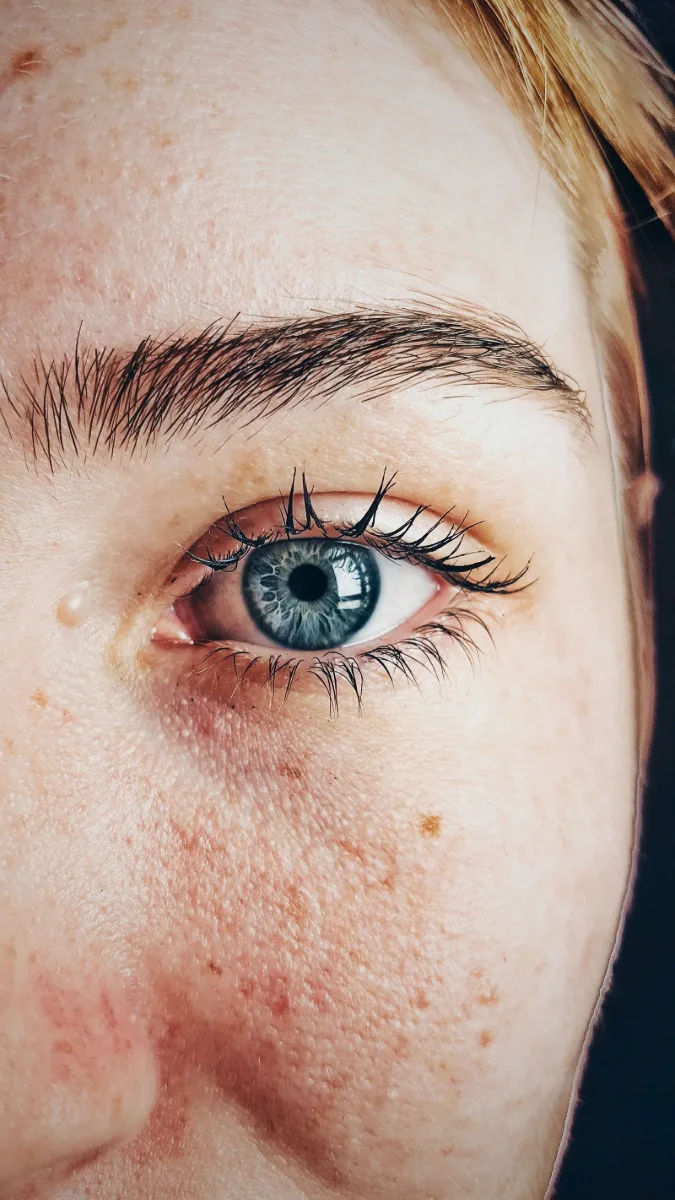
Blepharoplasty in Dubai is often the procedure people research when the upper eyelids begin to feel heavy. The skin may fold over the natural crease, the eyes may look smaller or half-closed, and applying eye make-up can become difficult. For some people, the concern is mainly about appearance. For others, very heavy upper lids can make the eyes feel tired by the end of the day and can even narrow the upper field of vision. In Dubai, UAE, where long working days and bright sunlight are part of everyday life, both reasons are common.
This guide looks closely at the upper eyelid: why the skin changes with age, how surgery addresses it, what the assessment should cover, and what recovery involves. It also explains the limits of the procedure and the questions worth asking at a consultation. It is written for readers who are still weighing up their options, and it does not promise any particular outcome. Results vary, and only a face-to-face assessment with a qualified clinician can give advice that fits an individual's eyes, skin, and health.
Understanding Blepharoplasty: How It Works
Blepharoplasty is a surgical procedure that addresses excess skin, muscle, or fat around the eyelids. It can be performed on the upper eyelids, the lower eyelids, or both in the same session, depending on what the individual wishes to address. This guide focuses mainly on the upper lids, although many of the same principles apply to the lower lids.
Upper eyelid surgery usually focuses on loose or folding skin and, where appropriate, a small amount of fat. As skin loses elasticity with age, the upper lid can begin to droop and fold over the crease. The surgeon removes a measured amount of excess skin and, where needed, a small amount of fat or muscle, before closing the incision with fine stitches. The incision is often placed within the existing crease, so that any resulting line sits in a natural fold and becomes less noticeable as it heals.
Lower eyelid surgery, by contrast, more often addresses puffiness and bags beneath the eyes, and it may involve repositioning fat rather than removing it altogether. The incision may sit just below the lash line, or inside the lower lid, depending on the technique chosen and the concern being treated.
The right approach depends on skin laxity, the amount and position of fat, and whether the main issue is skin, fat, or a mixture of both. A clinician should explain which type of surgery is suggested and why, because the plan should be specific to the individual's eyelids rather than a standard template.
A consultation is an essential part of the process. During this appointment, the clinician should examine the eyelids, observe how the eyes open and close, check the position of the eyebrows, and ask about general health, previous eye conditions, allergies, and any medicines being taken. This is also the time to discuss the expected change, the limits of surgery, and what recovery is likely to involve. A careful assessment matters because eyelid surgery cannot correct every concern around the eyes: a drooping brow, dark circles caused by pigmentation, or fine lines at the outer corners may need a different approach, and an honest clinician will say so.
Most eyelid surgery is carried out as a day procedure. Some people have the procedure under local anaesthesia with sedation, while others have general anaesthesia, depending on the extent of the surgery and personal preference. The procedure itself usually takes one to two hours when both lids are treated.
Why Upper Eyelids Become Heavy
The skin of the eyelid is the thinnest skin on the body, and it is one of the first areas to show the effects of ageing. Over time, the skin loses elasticity, the muscles that support the eyelid weaken, and fat that once sat neatly in place can begin to bulge forward. Sun exposure, smoking, and family history can all play a part, and some people notice heavy lids earlier than others because of the way their eyelids are shaped.
For many people, the first sign is that the eyes look tired even after a good night's sleep. The upper lid may fold over the crease, the lashes may appear partly hidden, and the eyes may look smaller. Eye make-up can smudge or disappear into the fold. As the change progresses, some people find that they raise their eyebrows without thinking, simply to lift the lid out of the way, and this can lead to forehead tension and headaches by the end of the day.
In more pronounced cases, the excess skin can hang over the lashes and reduce the upper field of vision. This is something a clinician must assess carefully, because it is a functional concern as well as a cosmetic one. A consultation should include a check of how much of the visual field is affected, and whether the brow position is contributing to the problem. If the brow has dropped significantly, treating the brow may be more appropriate than eyelid surgery alone, and an honest clinician will explain this.
It is worth remembering that heavy upper lids are a normal part of ageing for many people, and surgery is a personal choice rather than a necessity. Some people are comfortable with the change, while others find it affects their confidence or their comfort. Neither view is wrong, and a good consultation should respect the reader's own reasons for considering surgery.
What Happens During Upper Eyelid Surgery
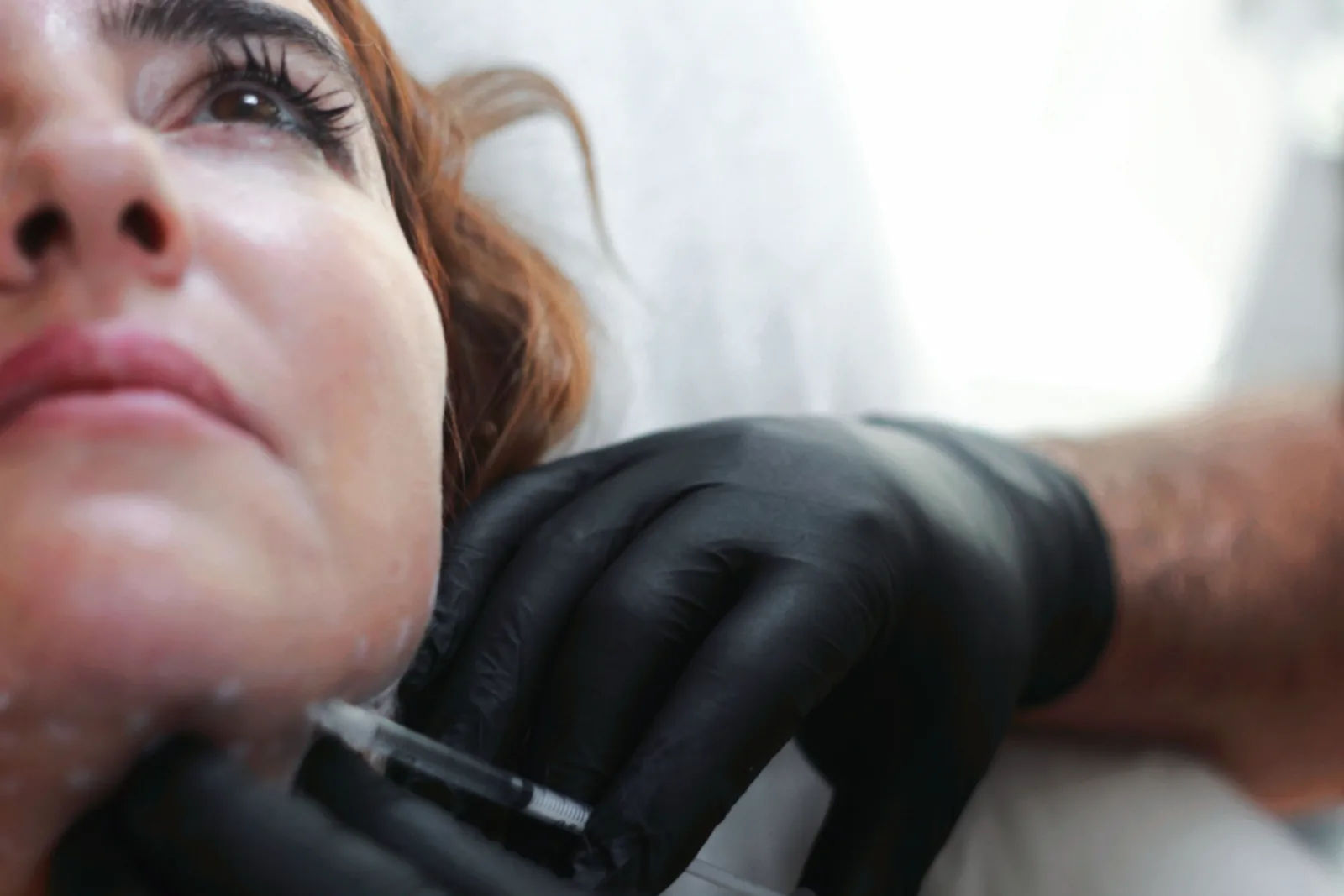
On the day of the procedure, the surgical team will usually go through the plan once more and confirm the areas to be treated. The skin around the eyes is cleaned, and markings may be drawn along the natural crease to guide the incisions. The type of anaesthesia agreed at the consultation is then given, and the surgery begins.
The surgeon removes a measured amount of excess skin and, where needed, a small amount of fat or muscle, before closing the incision with fine stitches. The amount removed is a matter of judgement: too little may leave the lid still heavy, while too much can change the way the eye closes. This is one reason why the experience of the surgical team matters, and why readers should ask about it at the consultation.
After the procedure, the eyes are usually checked before the patient goes home the same day. The team should explain how to care for the area, what medicines or ointments to use, and when to return for a follow-up appointment. A responsible clinic will also explain which symptoms are normal during healing and which should be reported promptly.
Recovery varies from person to person, but swelling and bruising around the eyes are common in the first week or two. Many people are advised to rest, sleep with the head raised, use cold compresses as directed, and avoid strenuous activity, heavy lifting, and rubbing the eyes for a period. Stitches, where used, are often removed within about a week. Many people return to desk-based work within one to two weeks, although this depends on the extent of the surgery and the nature of their work.
Results develop gradually rather than appearing all at once. Swelling settles over several weeks, and the final appearance may not be clear for a few months. Scars usually fade over time, but they do not disappear completely. Results vary, and no honest guide can guarantee a particular outcome.
How to Choose the Right Clinic for Blepharoplasty in Dubai
Choosing a clinic is a personal decision, and it deserves time and care. The points below can help readers compare their options in a structured way.
Check the credentials of the team
Ask who will carry out the consultation and the surgery, and what their qualifications and experience are in eyelid procedures. Readers should also check that the clinic and its professionals are licensed to practise in Dubai, UAE.
Ask what the consultation covers
A thorough consultation should include an examination of the eyelids, a discussion of expectations, and an honest explanation of what surgery can and cannot do. Readers should feel free to ask for written information and to take time to think afterwards. Readers comparing options in Dubai, UAE may also wish to look at Enfield Royal Clinic Dubai and ask how its consultation covers the upper eyelid, the brow position, and the visual field.
Understand the surgical plan
Ask which type of eyelid surgery is being suggested, where incisions would be placed, and why that approach has been chosen. If the brow is contributing to the heaviness, ask whether the brow should be assessed separately.
Discuss recovery and aftercare in detail
Recovery is an important part of the decision. Ask how long swelling and bruising may last, when normal activities can be resumed, and what follow-up appointments are included.
Compare what is included
Readers should ask for a clear explanation of what is included, such as the consultation, the procedure, follow-up visits, and any medicines or dressings.
Trust the overall impression
The way a clinic communicates matters. Readers should notice whether staff listen carefully and respect the wish to think before deciding, without applying pressure.
Frequently Asked Questions
Why do my upper eyelids look heavy even though I feel fine?
The skin of the upper eyelid thins and loses elasticity with age, and the supporting muscles weaken. Fat can also bulge forward. This can make the eyes look tired or half-closed even when a person feels wide awake. Family history and sun exposure can make the change appear earlier.
Can heavy upper eyelids affect my vision?
In some cases, excess skin can hang over the lashes and reduce the upper field of vision. This needs to be assessed by a clinician, who should check how much of the visual field is affected and whether the brow position is contributing. Eyelid surgery is not a treatment for general eyesight problems.
Is upper eyelid surgery different from a brow lift?
Yes. Upper eyelid surgery addresses excess skin on the lid itself, while a brow lift addresses a brow that has dropped. In some cases the two concerns overlap, and a clinician should explain which one is the main cause of the heaviness before suggesting a plan.
How long does swelling last after upper eyelid surgery?
Swelling and bruising are common in the first week or two and then fade gradually. The eyelids continue to settle over several weeks, and the final appearance may not be clear for a few months. Healing speed varies from person to person.
Will my eyes look natural after surgery?
The aim is usually a fresher, more rested appearance that still looks like the person. The surgeon should explain what change is realistic and how the plan relates to the individual's natural eyelid lines. Readers should be cautious of any suggestion that promises a dramatic change in eye shape.
Conclusion
Heavy upper eyelids are a common and understandable concern, whether the reason is appearance, comfort, or vision. Eyelid surgery can address the excess skin, but it cannot correct every concern around the eyes, and the brow, the skin, and the visual field all need to be assessed before any plan is made.
For readers who want to continue their research, the next step is to arrange a consultation with a clinic that feels right, ask the questions set out in this guide, and consider the advice given in the light of their own health and expectations. A careful, unhurried approach gives the best chance of a decision that the reader feels comfortable with, whether that decision is to proceed with upper eyelid surgery or to wait and explore other options.