

Beyond Cold Water Cleaning: Exploring the Value of a Hot Water Pressure Washer
Cleaning demanding surfaces often requires more than strong water pressure. Grease, oil, and stubborn residue can cling to equipment, floors, vehicles, and outdoor surfaces, making routine washing slower and less effective.

Jetwave Group
Author & Contributor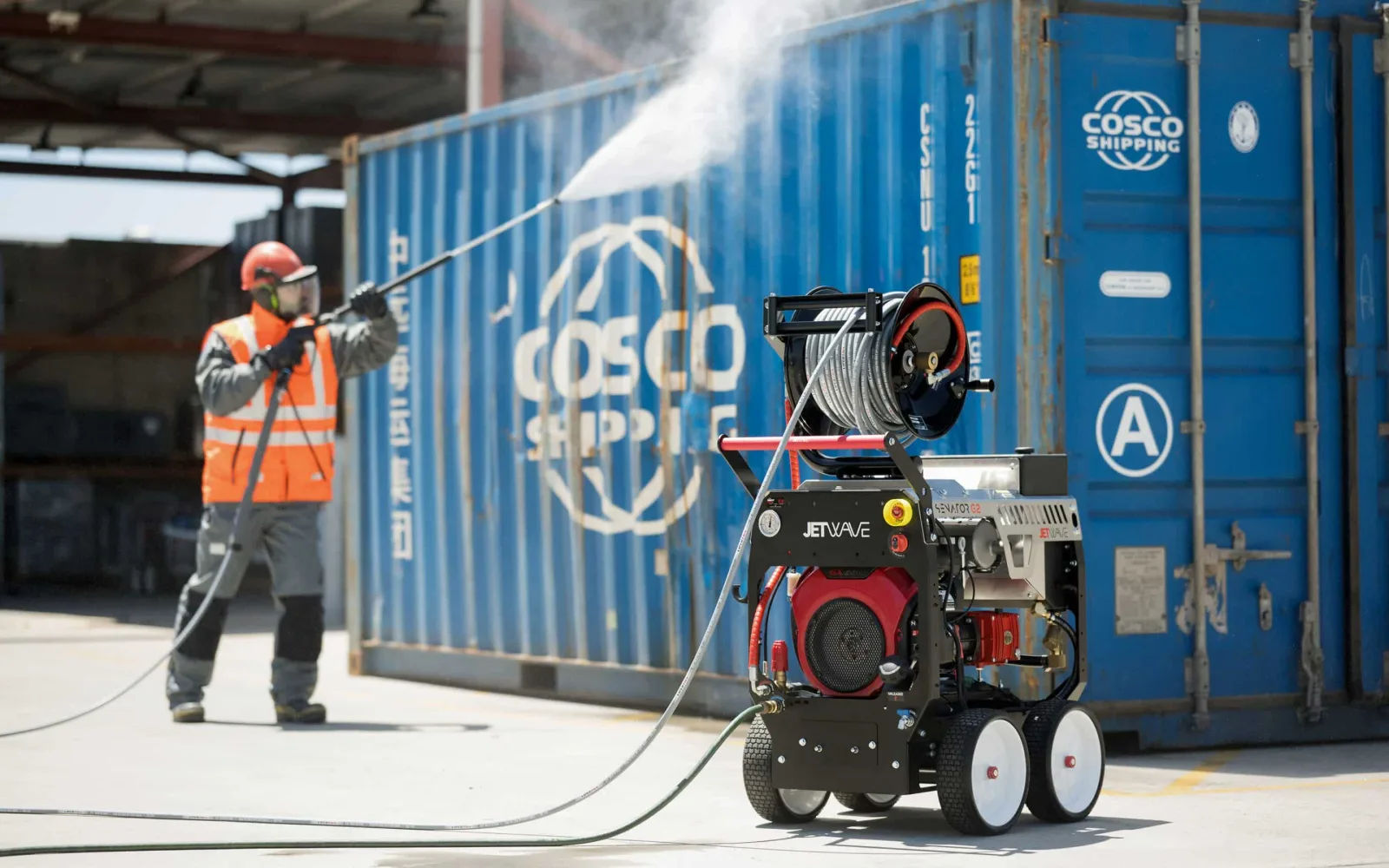
Cleaning demanding surfaces often requires more than strong water pressure. Grease, oil, and stubborn residue can cling to equipment, floors, vehicles, and outdoor surfaces, making routine washing slower and less effective. These challenges can increase cleaning time and make regular maintenance more demanding.
Hot water cleaning offers a practical option when cold water alone struggles to loosen certain types of dirt. Operators can tackle demanding cleaning jobs with an approach that suits the surface and level of contamination. It can also help make professional cleaning routines more manageable when used with suitable equipment.
Understanding Heat-Based Cleaning
Heat can help soften oily deposits and loosen grime that may be difficult to remove with cold water. This is particularly useful in workshops, food preparation areas, vehicle maintenance facilities, and industrial environments where grease and residue can build up over time.
A Hot Water Pressure Washer combines heated water with controlled pressure to support these tasks. Businesses considering this equipment can explore suitable options from Jetwave and compare machine capacity, temperature settings, and accessories with their cleaning requirements.
Key Benefits for Daily Cleaning
Hot water equipment can support a range of professional cleaning needs. Its main advantages include:
Improved grease removal: Heated water can soften oils and greasy deposits, helping operators clean surfaces more effectively.
Less manual scrubbing: Loosened dirt may require less repeated brushing, saving effort during demanding cleaning tasks.
Versatile applications: Suitable systems can be used for vehicles, machinery, workshop floors, and other durable surfaces.
Efficient cleaning routines: The right pressure and temperature can help teams complete regular maintenance with fewer repeated passes.
Support for hygiene routines: In appropriate settings, hot water can assist cleaning procedures, although it does not replace required sanitising or disinfection steps.
These benefits depend on selecting the correct machine and using it according to the manufacturer's instructions. Cleaning agents may still be needed for particular deposits, but they should be compatible with the machine, surface, and workplace rules. Operators should never assume that hotter water or greater pressure is automatically better. Testing a small, less visible area first can help confirm that the chosen method is suitable before cleaning a larger section.
Applications of Hot Water Cleaning
Heated water can support effective cleaning across several professional environments where grease, oil, and stubborn dirt are common.
Vehicle and Fleet Maintenance
Trucks, vans, plant vehicles, and service fleets can collect road film, oily marks, and stubborn grime. Heated water may help loosen this buildup from exterior surfaces and components. Operators should use appropriate pressure and keep sensitive electrical parts protected.
Workshops and Industrial Sites
Workshop floors and machinery areas can accumulate lubricant, dust, and production residue. A suitable cleaning system can help maintain cleaner working spaces and support regular equipment care. Operators should check surface compatibility before washing painted, coated, or delicate components.
Food and Hospitality Facilities
Commercial kitchens and food-related workplaces need consistent cleaning routines to manage grease and everyday residue. Hot water may assist with cleaning suitable floors, equipment exteriors, and washable surfaces. Businesses must still follow their own food safety procedures and use approved cleaning and sanitising products where required.
Choosing the Right Cleaning Setup
Good results depend on more than selecting the highest pressure rating. Businesses should consider the type of contamination, the surfaces being cleaned, and how often the equipment will be used. Water flow, heating capability, power source, operating temperature, and hose length can all affect how practical a machine is for a particular workplace.
Accessories also matter. Different nozzles can change the spray pattern, while suitable hoses and surface-cleaning attachments can make certain jobs easier to manage. Operators should avoid using concentrated pressure on fragile materials, seals, electrical fittings, or surfaces that may be damaged by heat. Following manufacturer guidance helps maintain safe and consistent operation.
Hot Water Pressure Washer Selection
Choosing a Hot Water Pressure Washer should begin with a clear understanding of the jobs it needs to handle. A small vehicle workshop may have different requirements from a large industrial facility or a contractor working across multiple sites. Jetwave provides pressure cleaning equipment for professional applications, giving businesses a starting point for comparing suitable configurations and features.
Before making a decision, compare the machine's pressure and flow rate, heating performance, fuel or power requirements, mobility, and service needs. A balanced choice supports dependable cleaning without paying for capacity that the work does not require.
Make Every Cleaning Task Count
Hot water cleaning can be a valuable option when grease, oil, and stubborn residue make routine maintenance difficult. With suitable equipment and correct operating practices, businesses can improve cleaning routines across vehicles, workshops, and other demanding environments.
The best results come from matching temperature, pressure, and accessories to each task while keeping safety and maintenance in focus.
Explore professional cleaning solutions from Jetwave to find equipment suited to your business needs.
